THIS LONG AND
FASCINATING JOURNEY

SCROLL

This long and fascinating journey, like those which preceded and followed it, was a matter of countless bus-rides and long stretches on horseback and by mule and on foot and on inter-island streamers and caiques and very rarely, for a sybaritic couple of weeks or so, on a yacht[...]""

"All of Greece is absorbing and rewarding. There is hardly a rock or a stream without a battle or a myth, a miracle or a peasant anecdote or a superstition; and talk andincident, nearly all of it odd or memorable,thicken round the traveller’s path at every step. 1

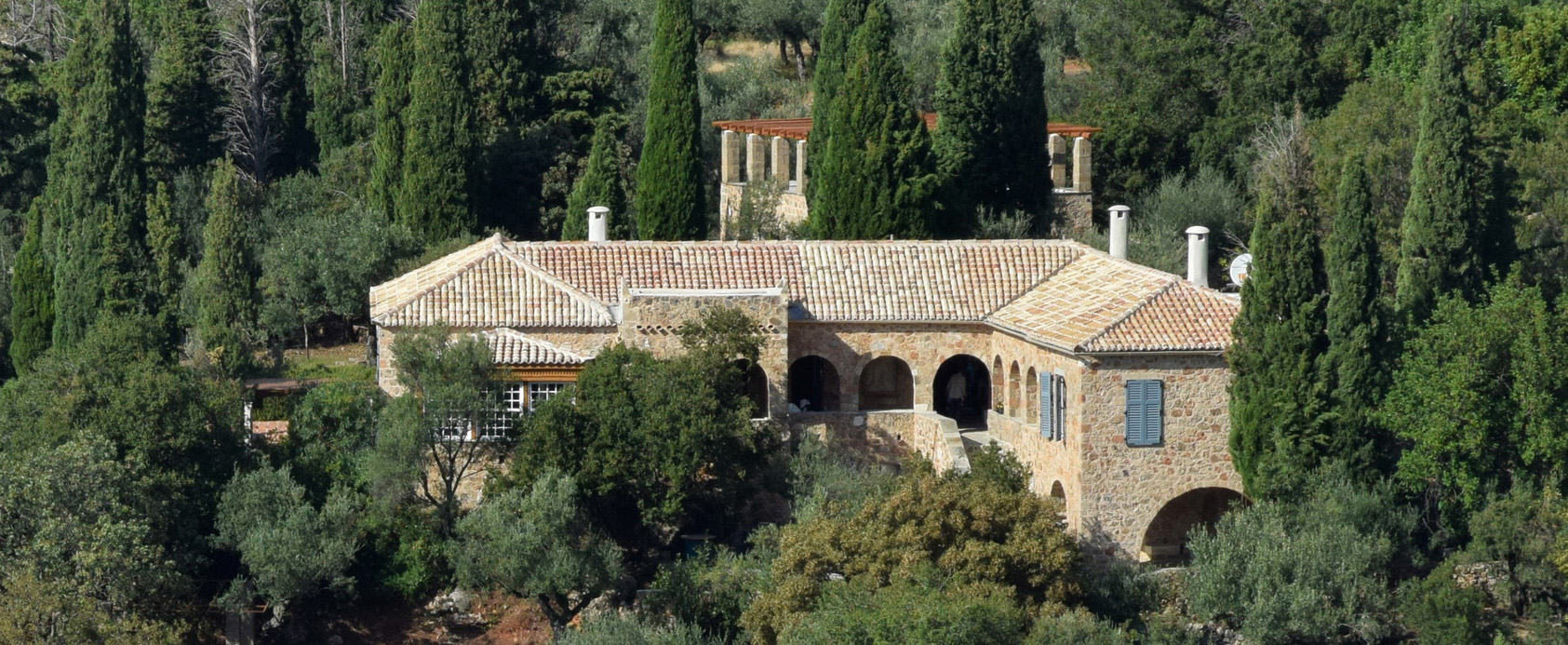
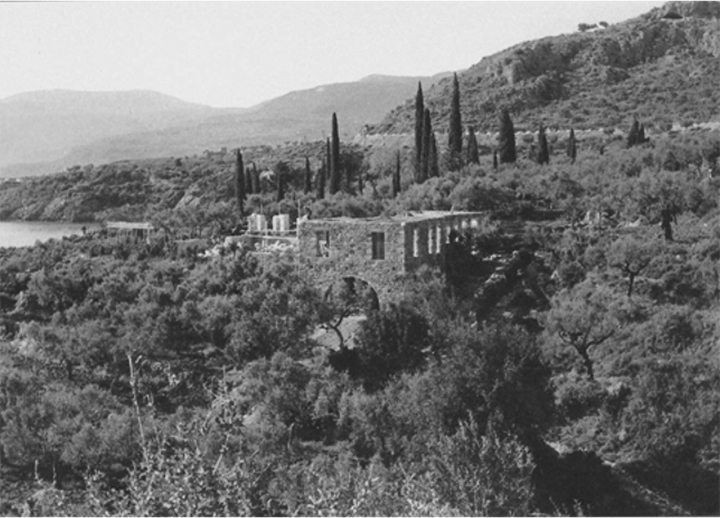
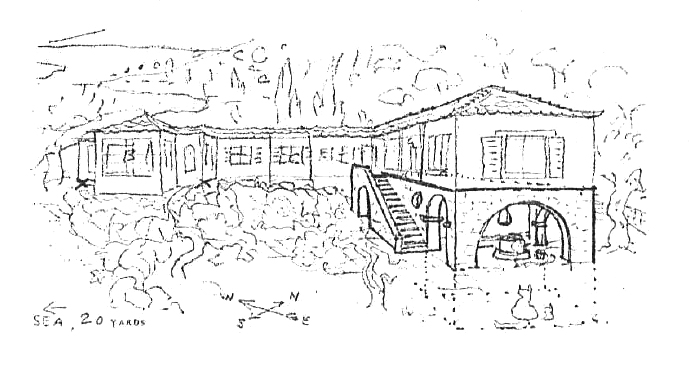
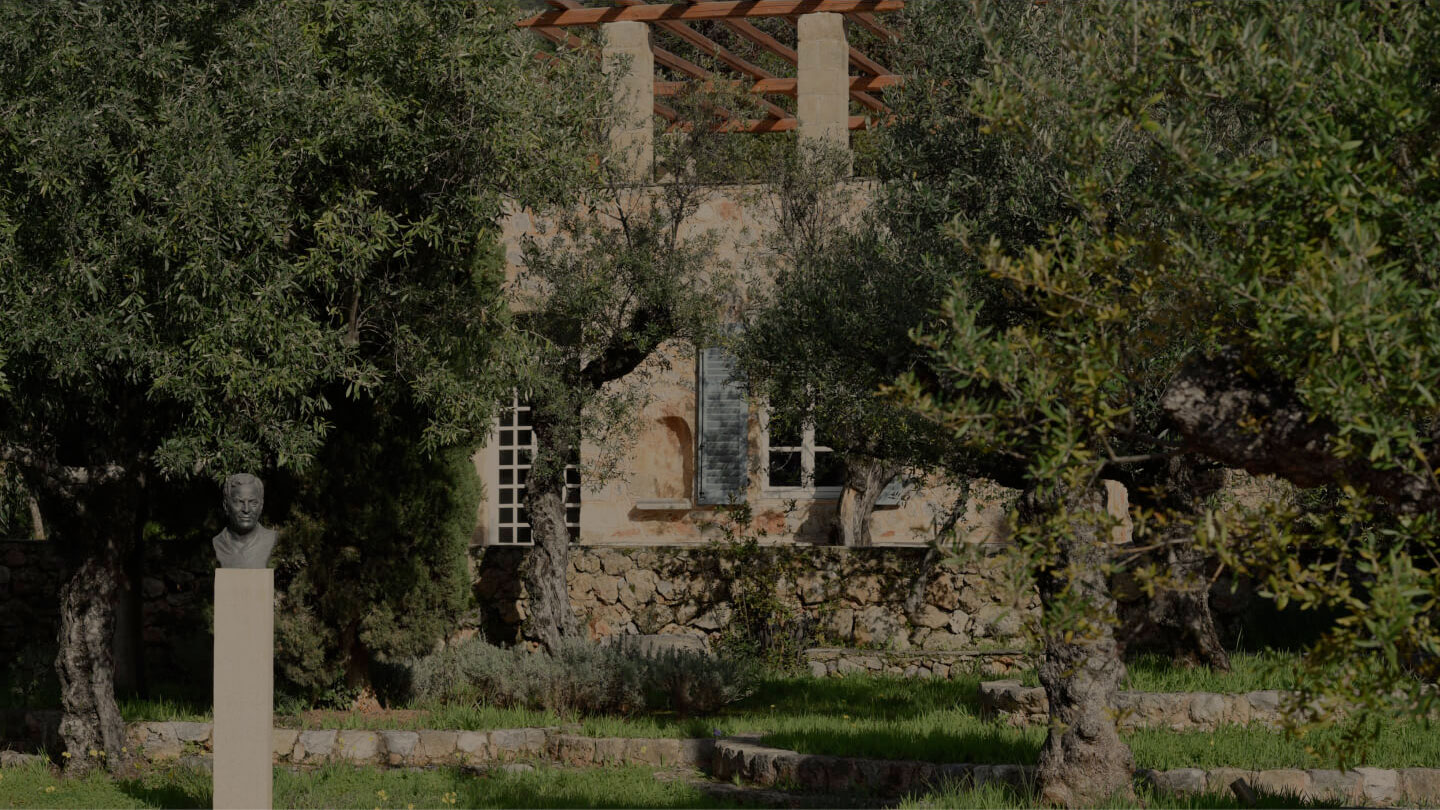
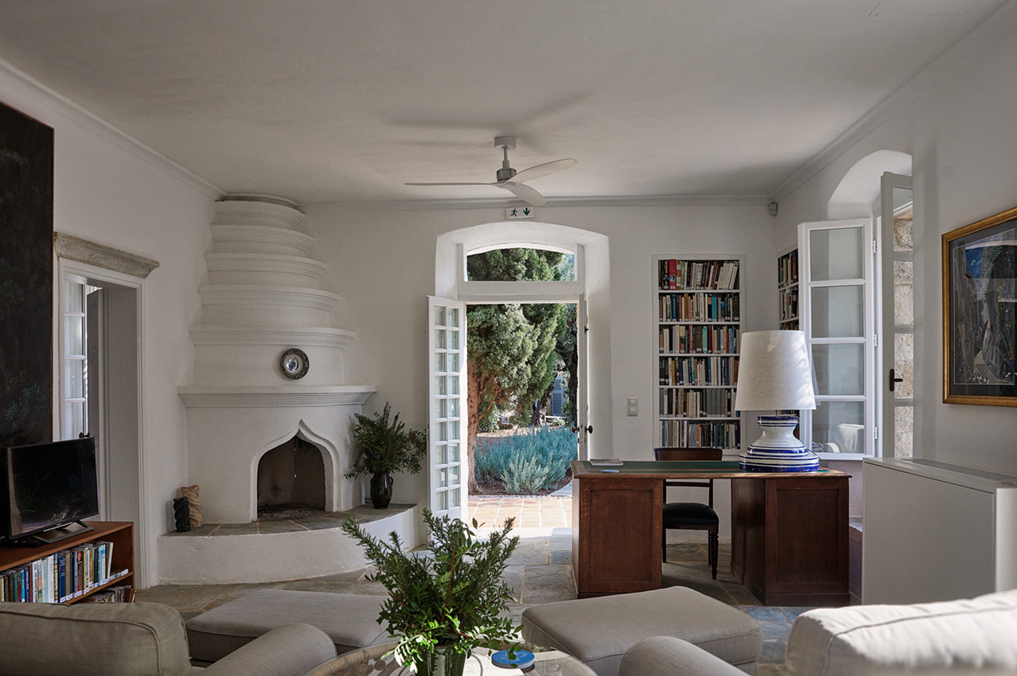
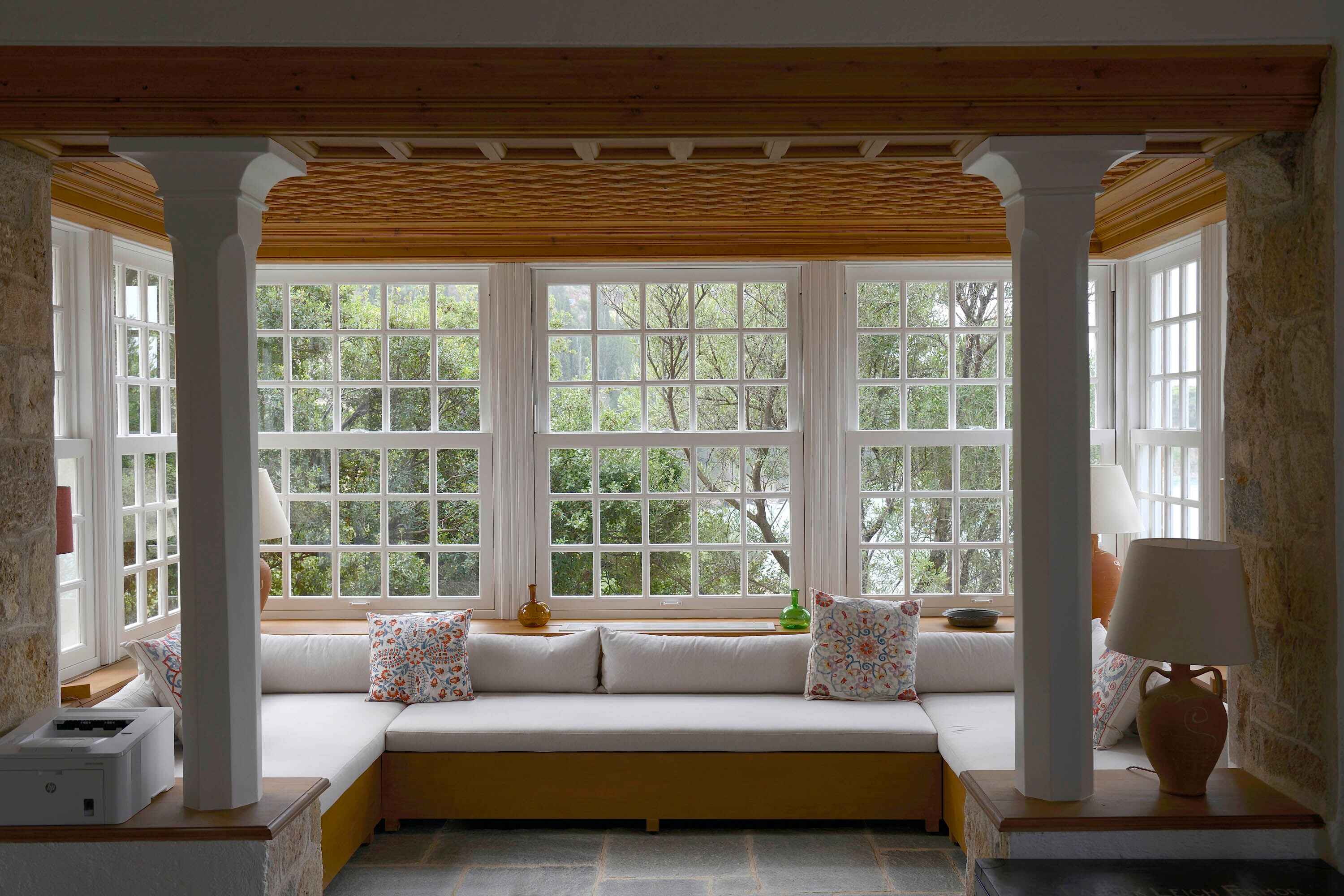
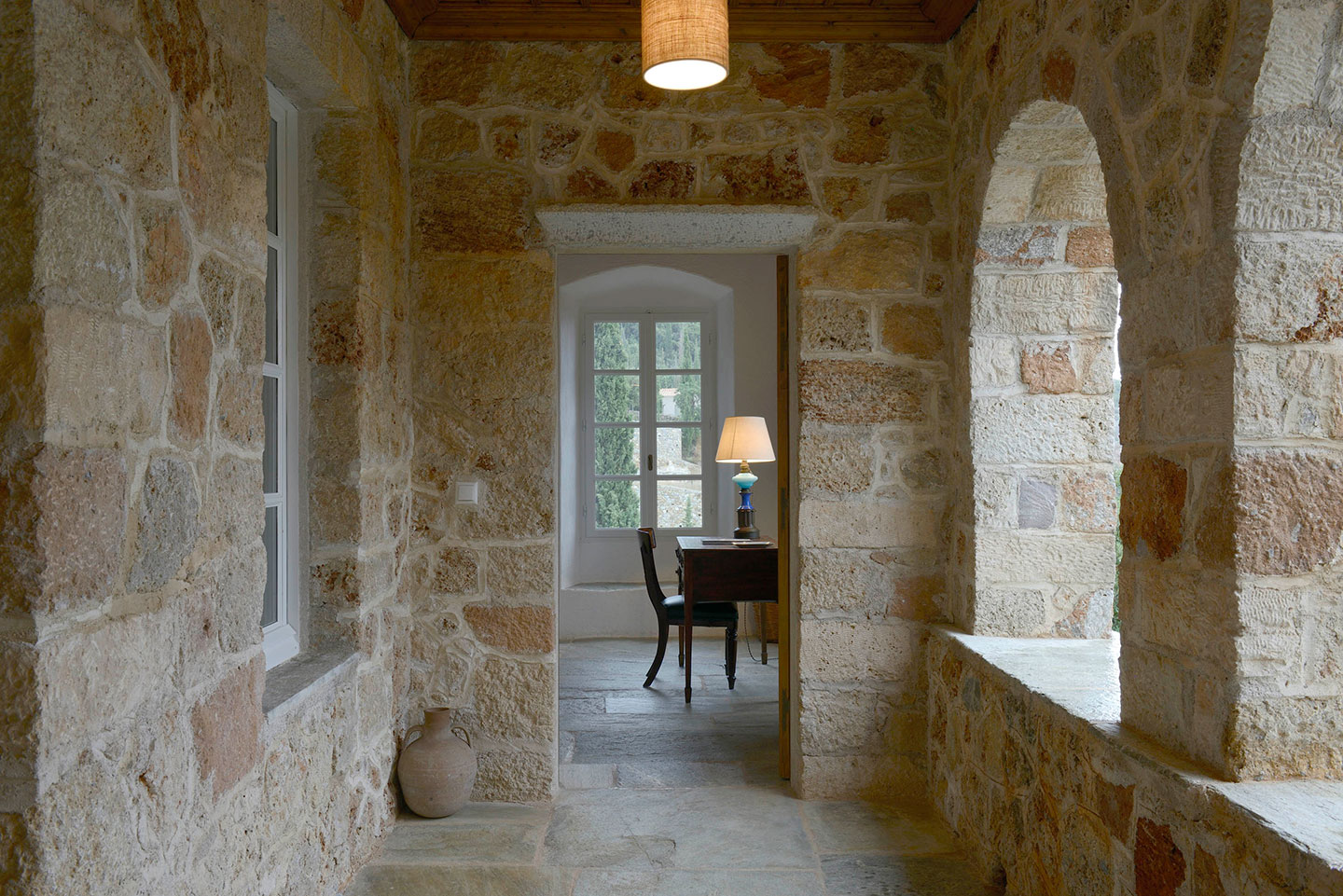
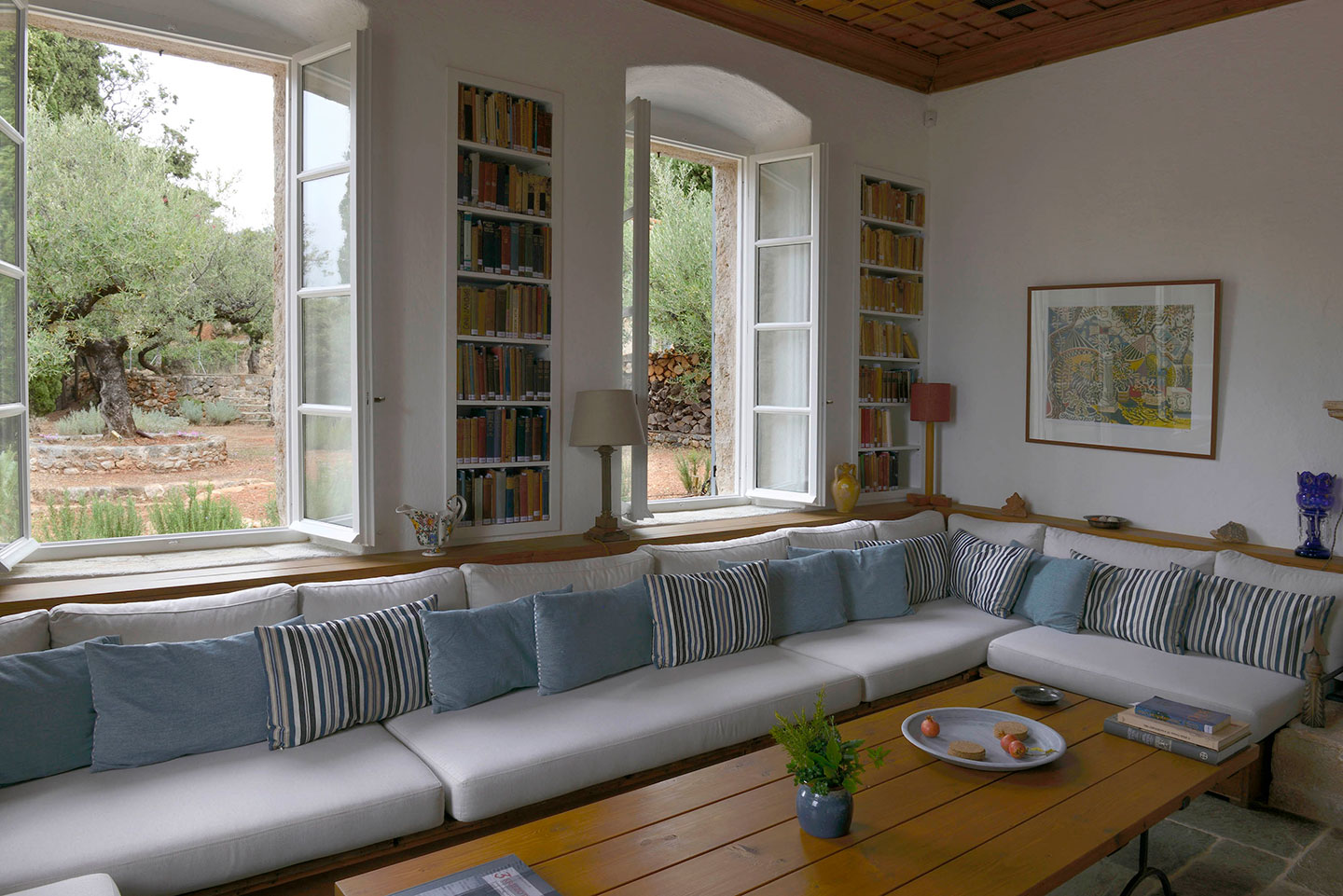
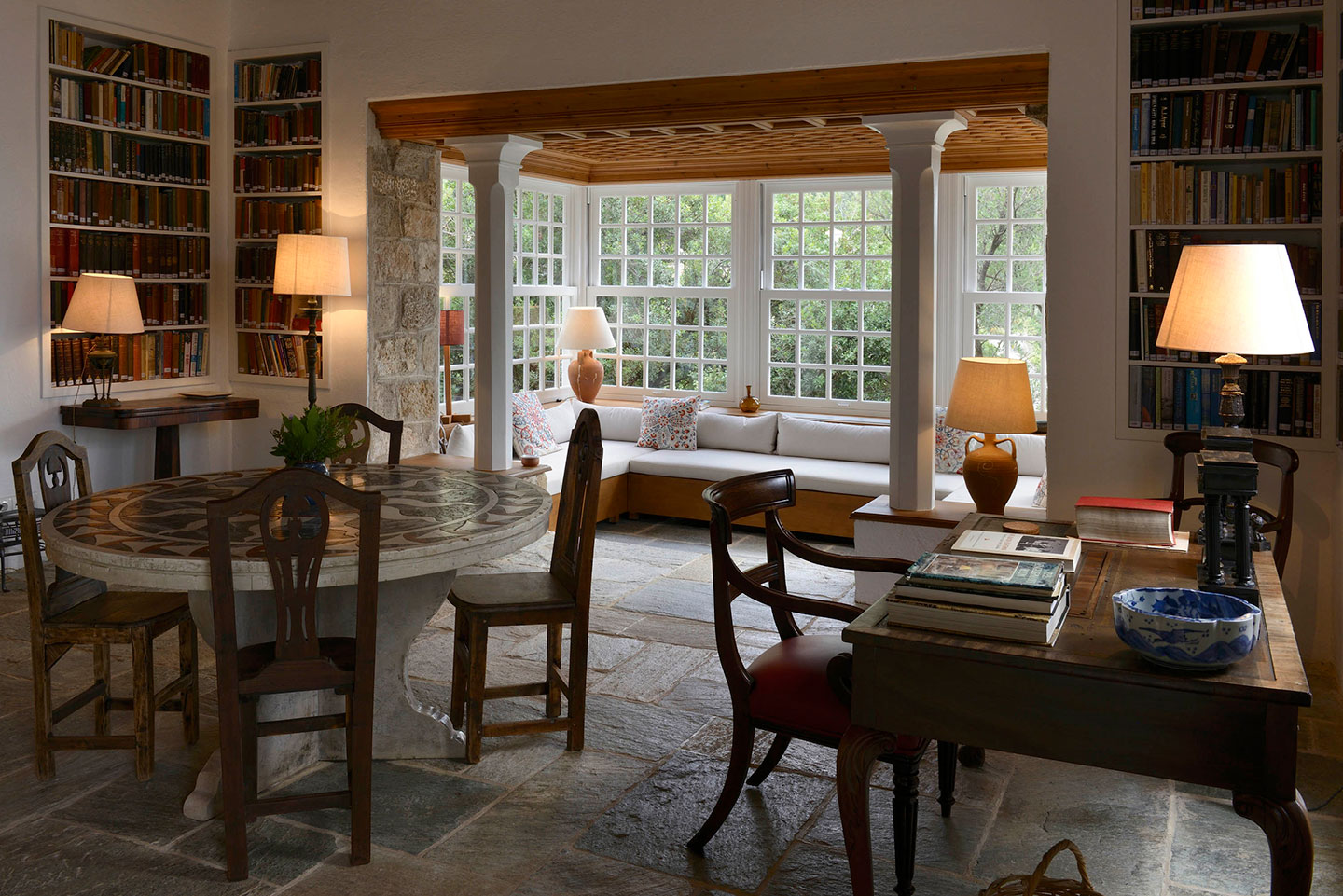
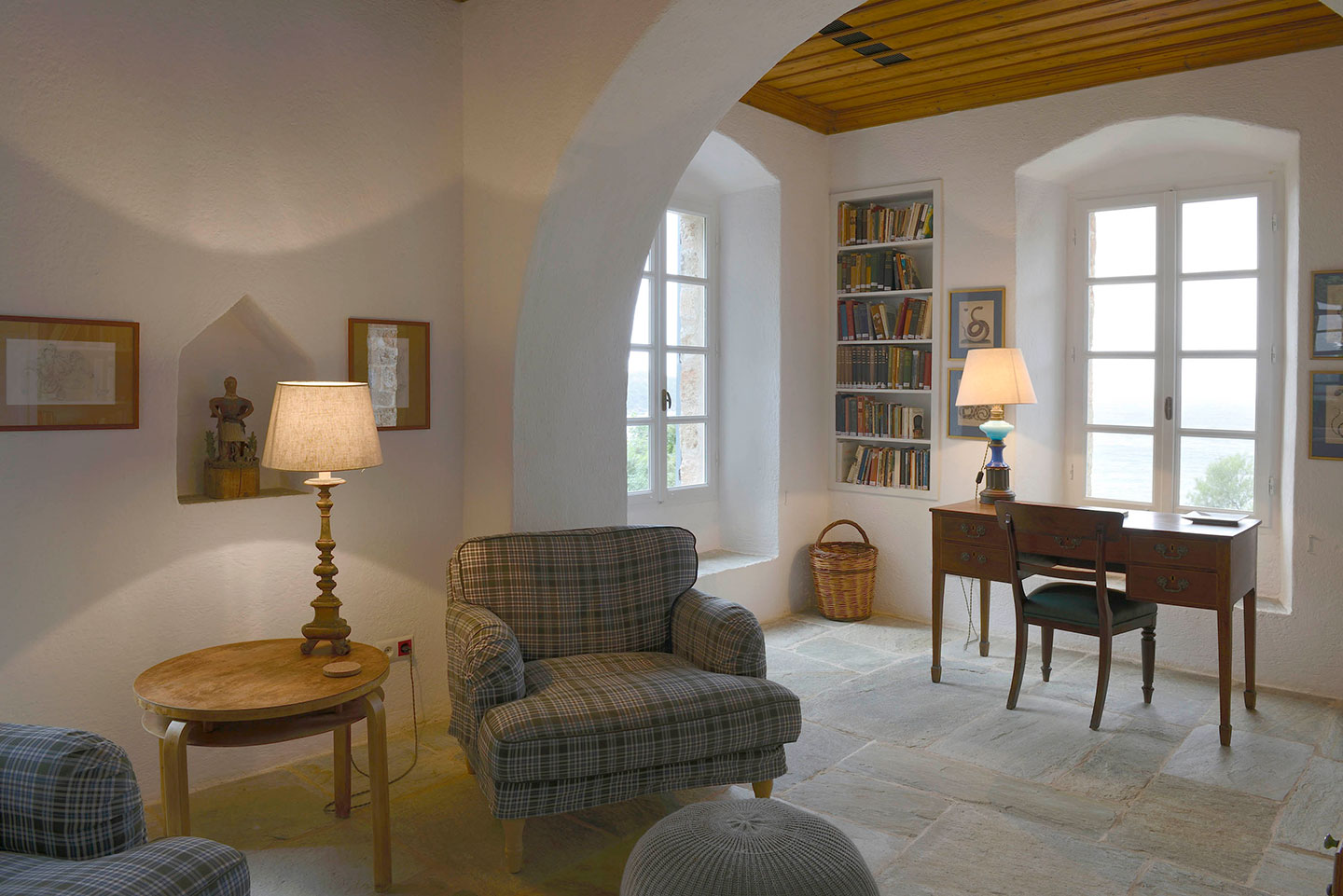
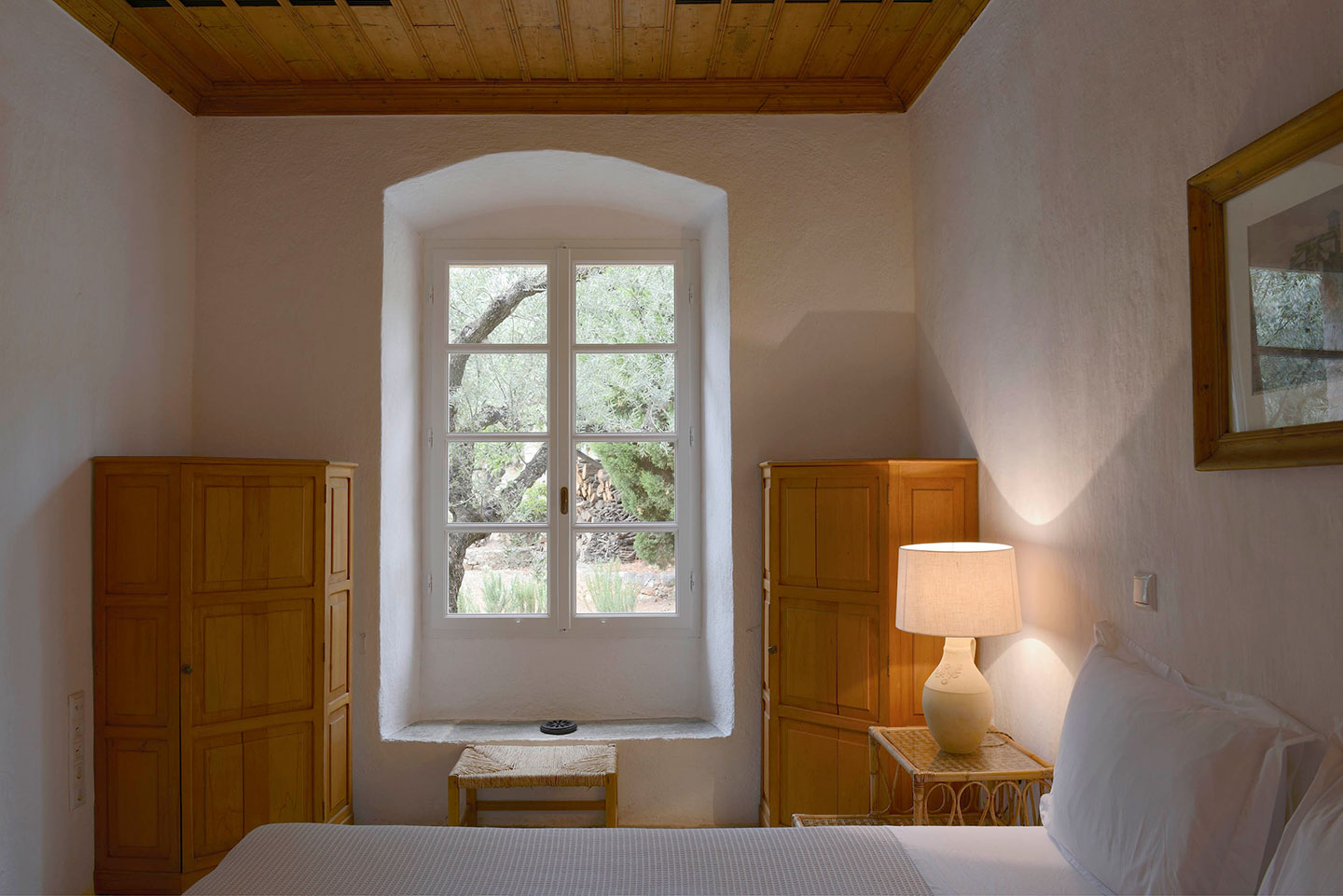
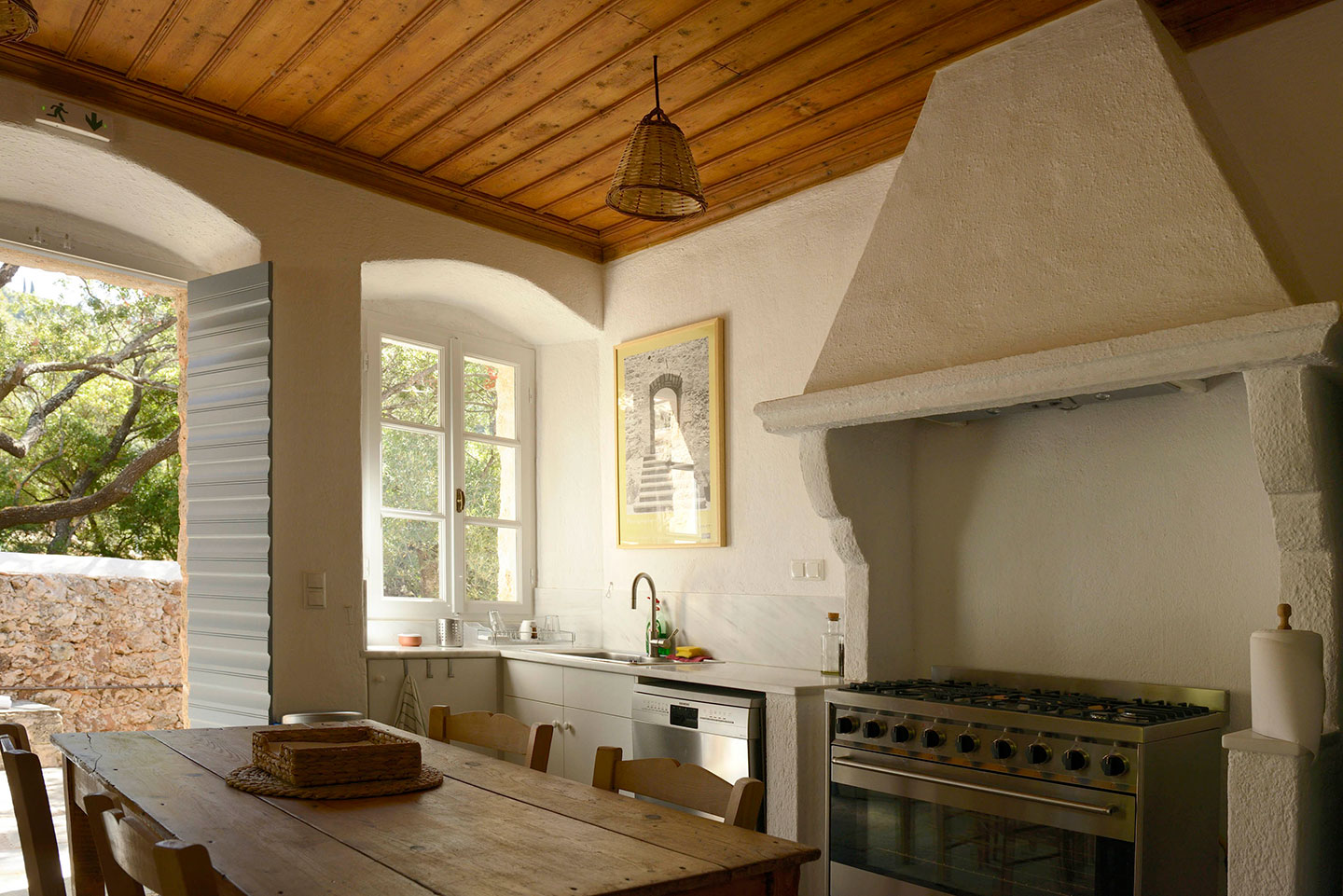
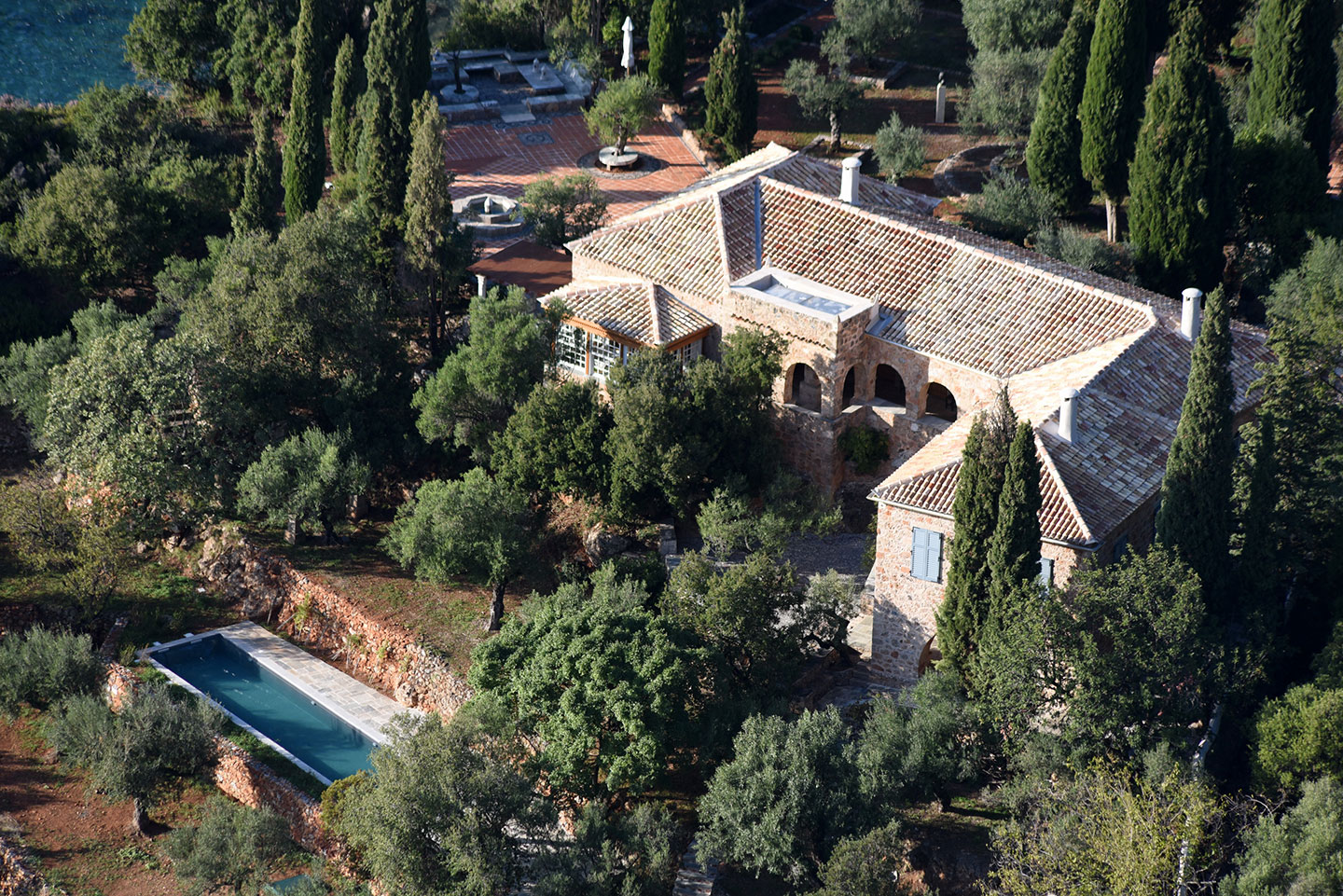
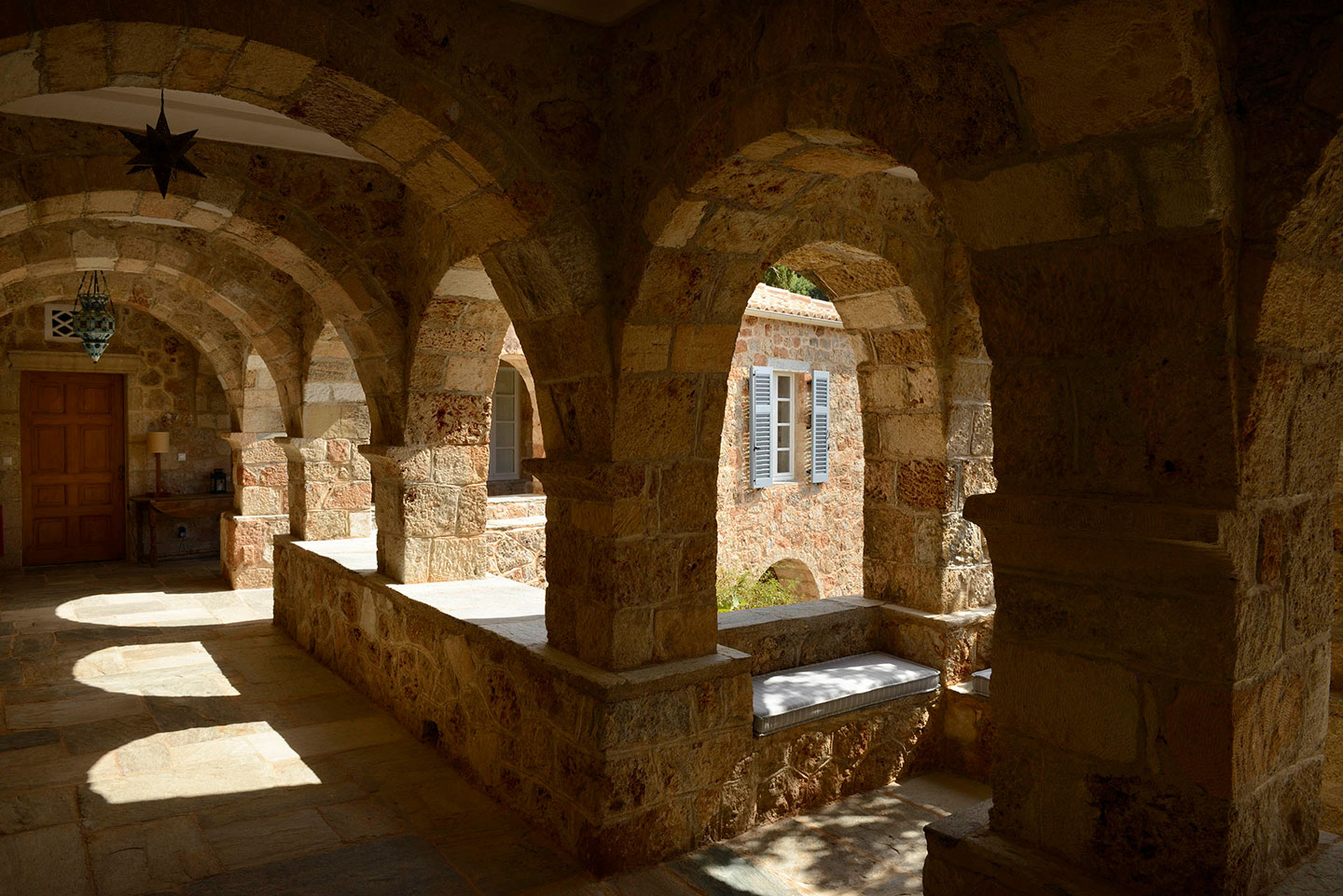
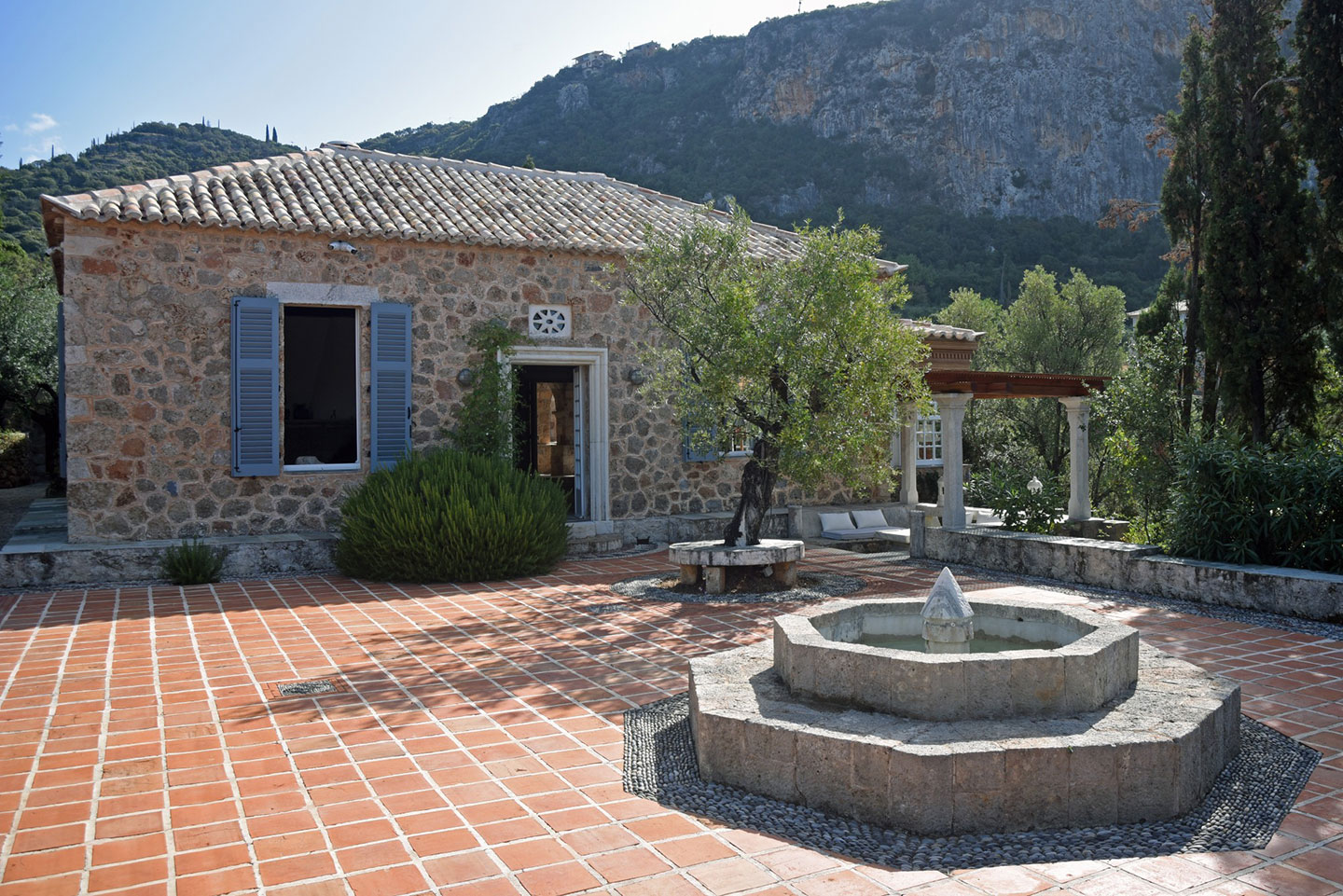
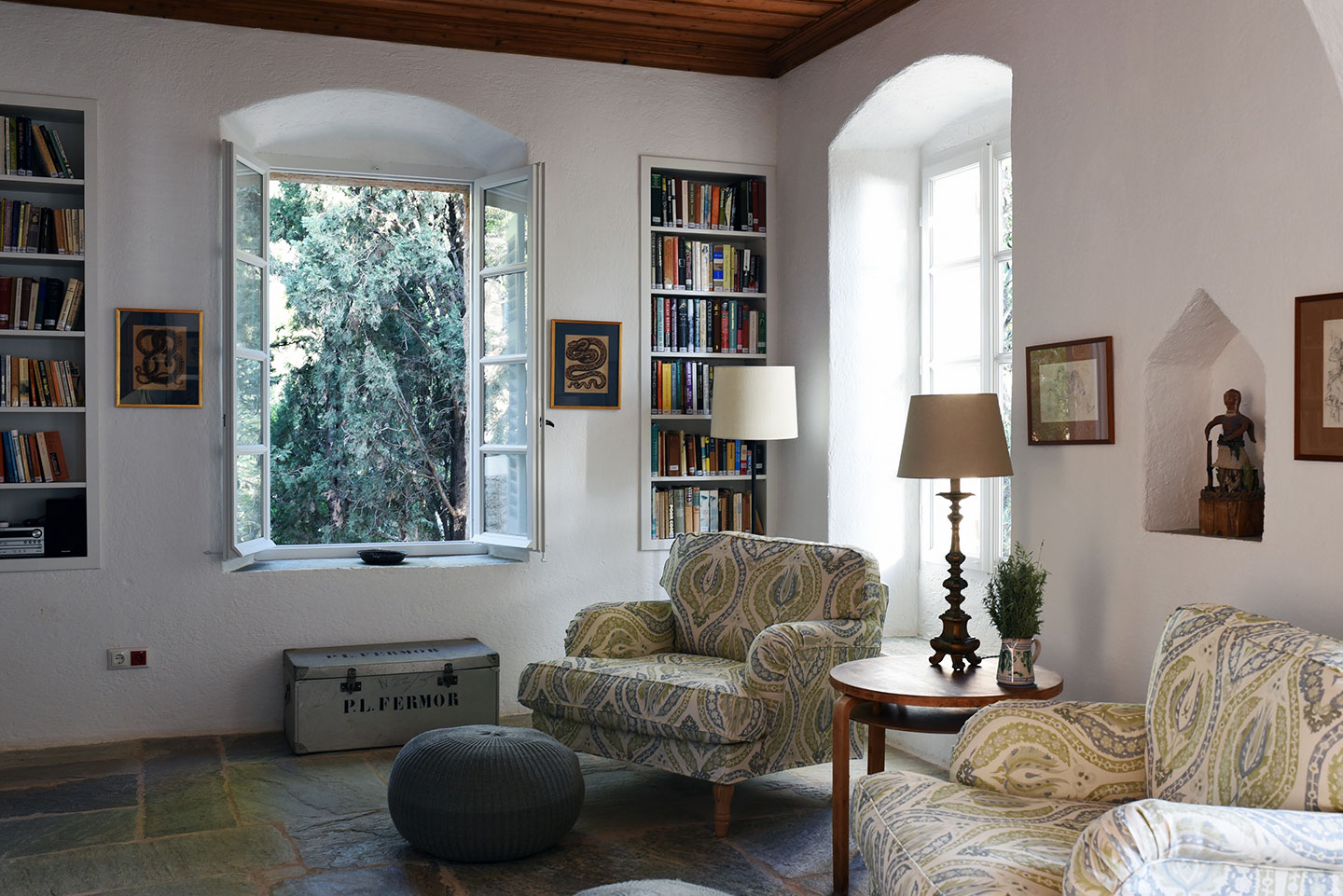
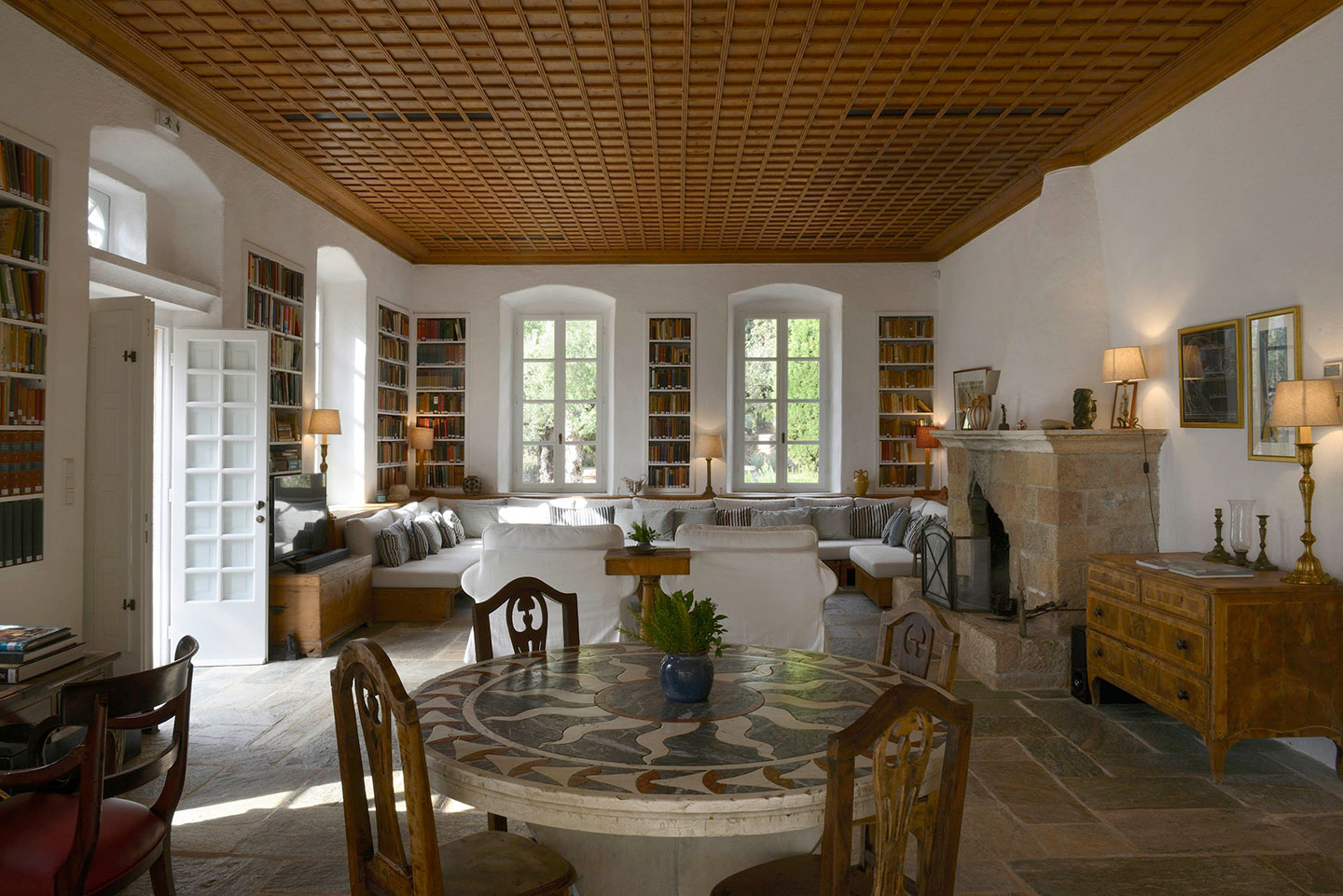
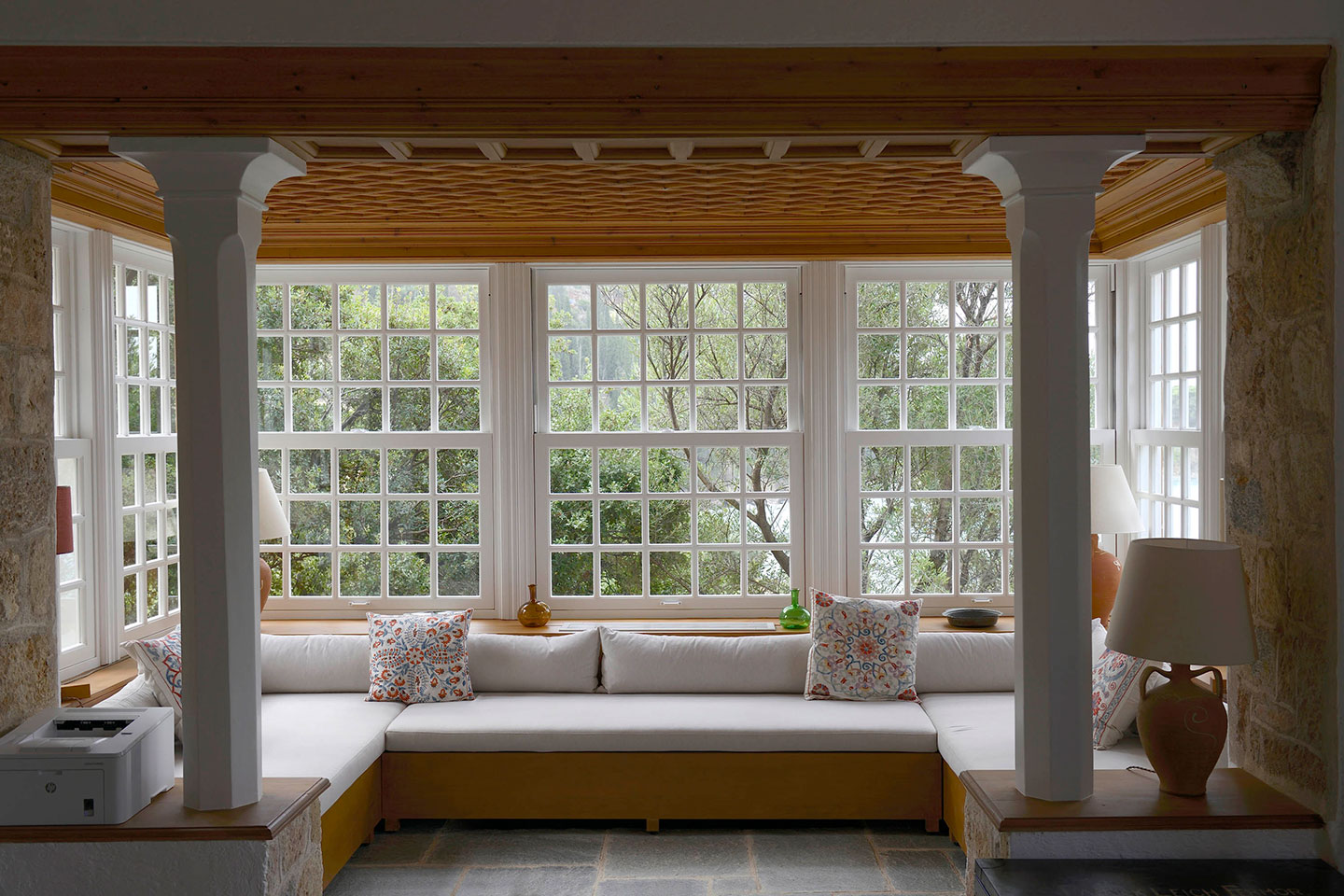
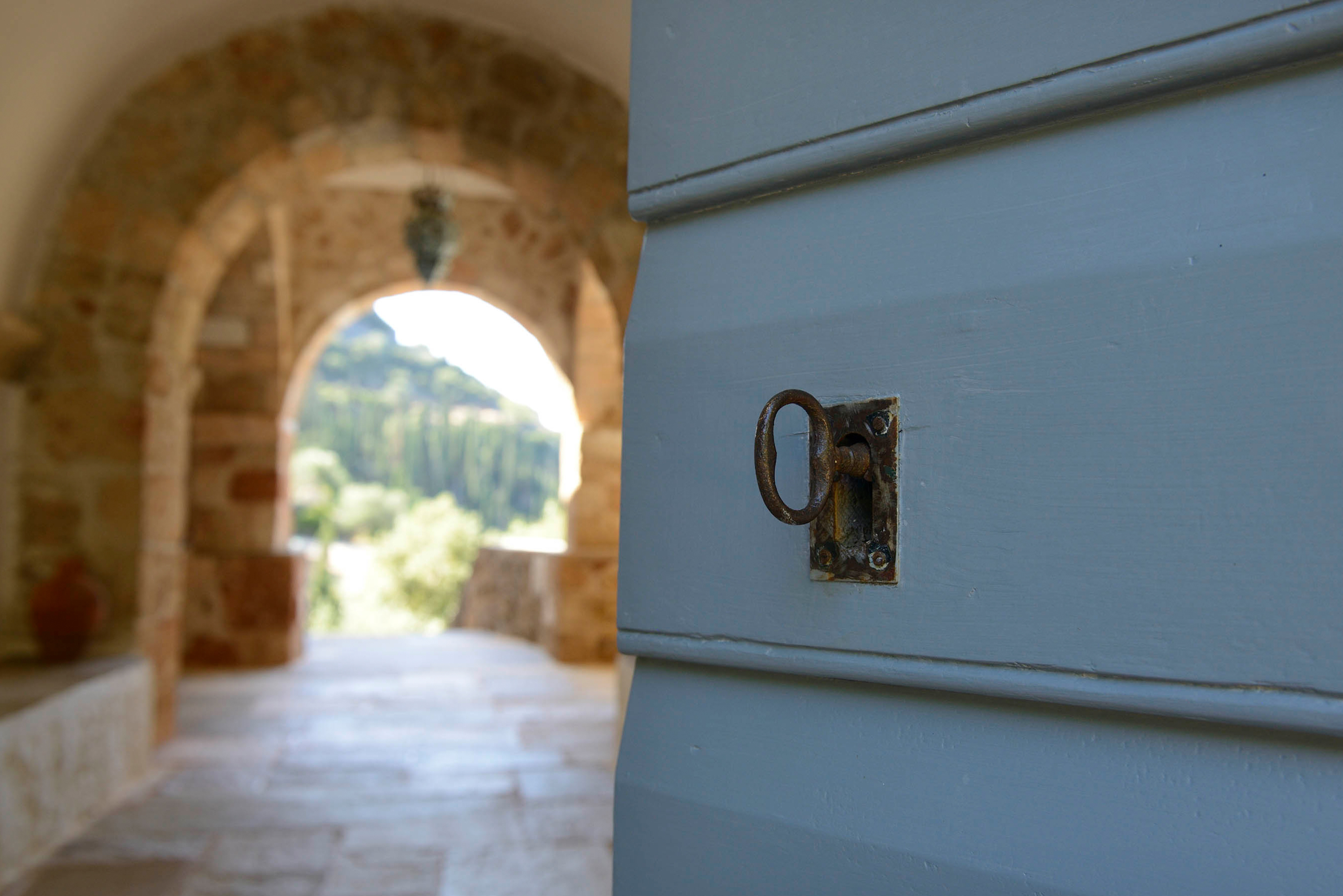
THE HOUSE IN KARDAMYLI, IN THE GREEK REGION OF MESSENIA, WHERE AUTHOR PATRICH LEIGH FERMOR AND HIS WIFE, PHOTOGRAPHER JOAN EYRES MONSELL, LIVED FOR 40 YEARS.

DURING THEIR LONG HIKES TOGETHER, HE CAPTURED LIFE IN THE GREEK COUNTRYSIDE IN THE 1950s AND 1960s WITH HIS PEN, AND SHE DID THE SAME WITH HER CAMERA.

Today, following its donation by the Leigh Fermors, the house belongs to the Benaki Museum and serves as a center to host visiting scholars and artists, as well as an educational and cultural hub.

CHAPTER 1

PATRICK & JOAN LEIGH FERMOR
PATRICK LEIGH FERMOR
(1915 - 2011)

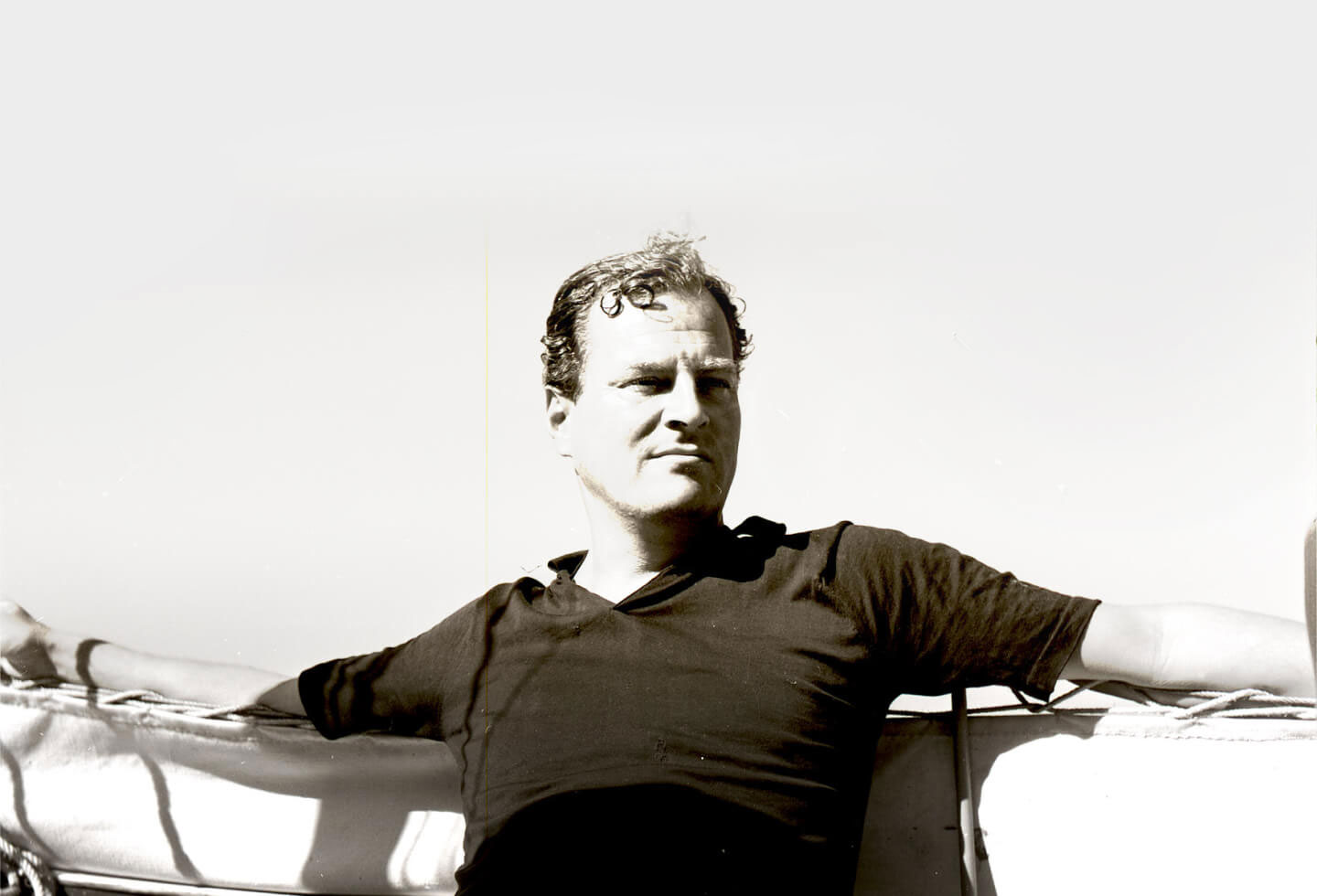
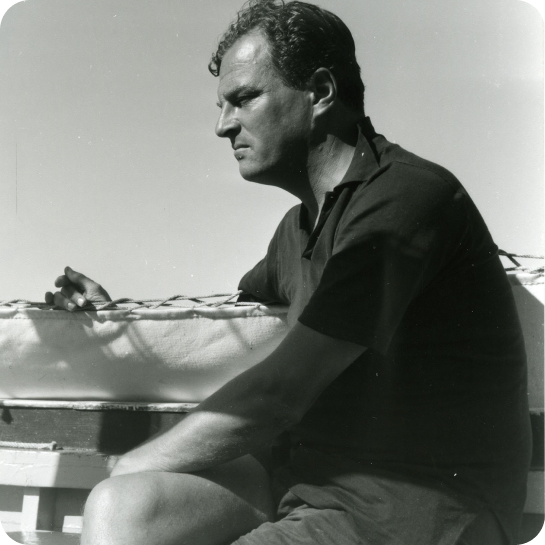
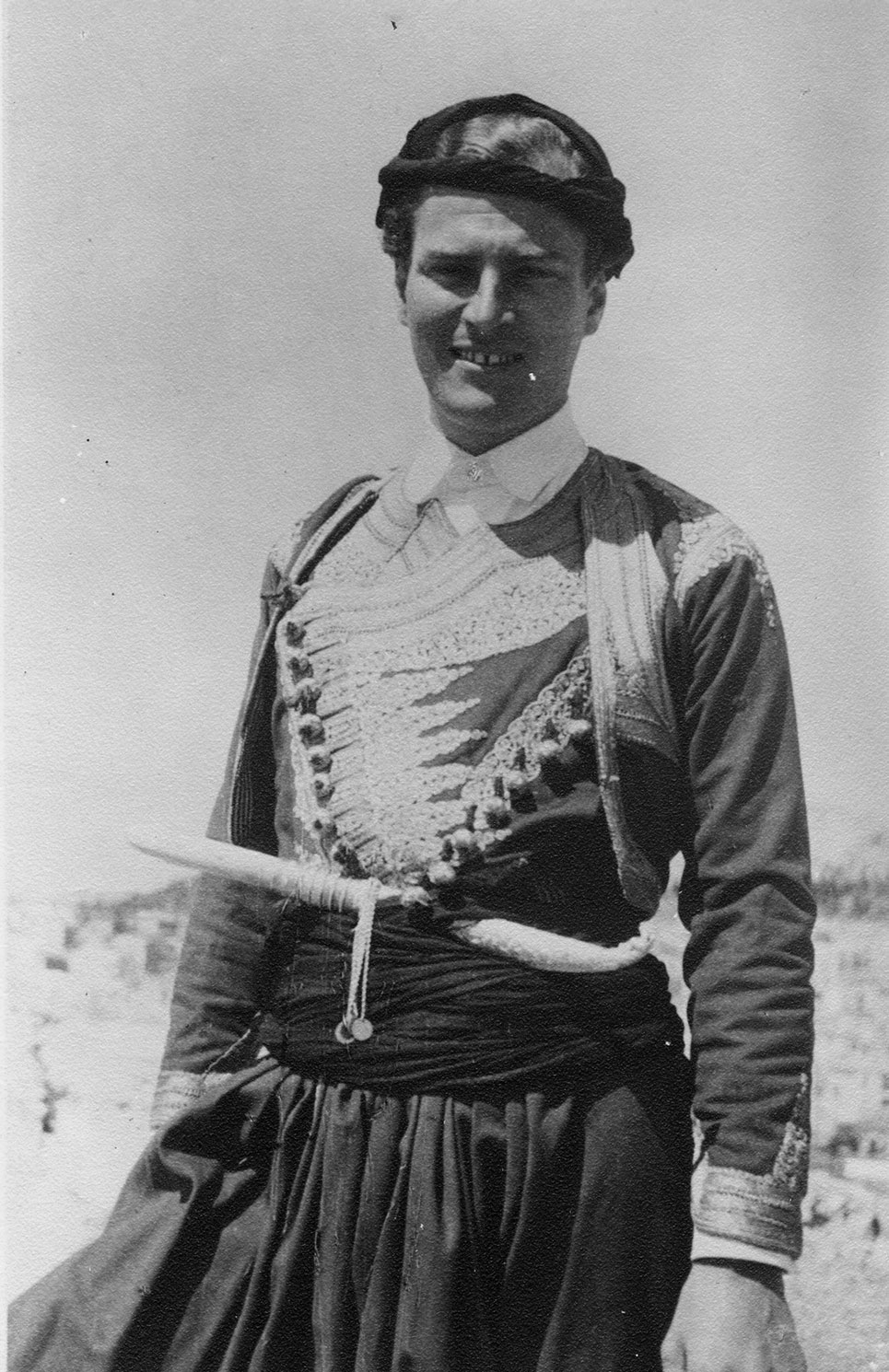
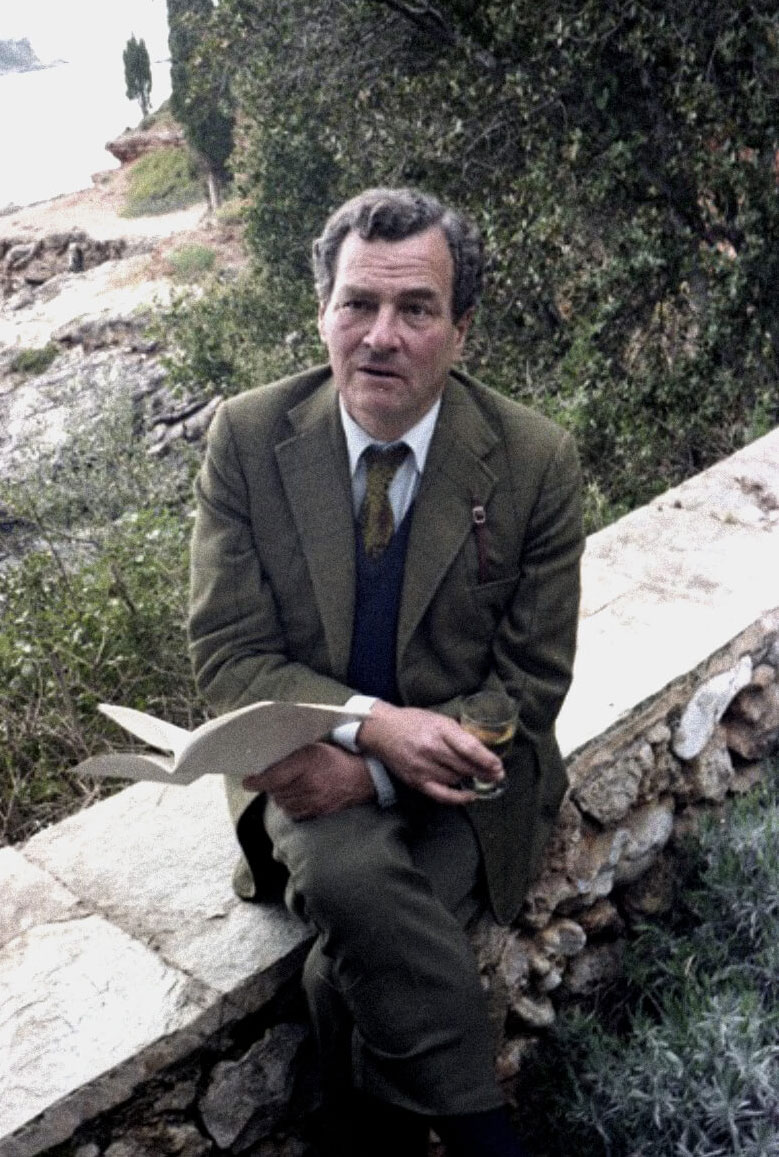
Patrick Leigh Fermor (“Paddy” to his friends and “Michalis” for the Greeks) was born in London to parents of Irish and English descent.

He spent the first four years of his life away from his family in a village in England’s East Midlands, “in the care of an extremely kind and humble family”.2

Patrick Leigh

Despite being a rather undisciplined student, he demonstrated a keen interest in languages, classical literature, history, geography, and painting from his early school years.

Patrick Leigh

In December 1933, the then 18-year-old Paddy, abandoning the prospect of an army career, set out without a travel plan on a long journey on foot across Europe, with the "Oxford Book of English Verse" and the "Odes" of Horace as his sole companions.

Patrick Leigh

A plan unfolded with the speed and the completeness of a Japanese paper flower in a tumbler. To change scenery; abandon London and England and set out across Europe like a tramp – or, as I characteristically phrased it to myself, like a pilgrim or a palmer, an errant scholar, a broken knight or the hero of The Cloister and the Hearth! All of a sudden, this was not merely the obvious, but the only thing to do. I would travel on foot, sleep in hayricks in summer, shelter in barns when it was raining or snowing and only consort with peasants and tramps. If I lived on bread and cheese and apples, jogging along on fifty pounds a year like Lord Durham with a few noughts knocked off, there would be even some cash left over for paper and pencils and an occasional mug of beer. A new life! Freedom! Something to write about! […]

"I wondered during the first few days whether to enlist a companion; but I knew that the enterprise had to be solitary and the break complete. I wanted to think, write, stay or move on at my own speed and unencumbered, to gaze at things with a changed eye and listen to new tongues that were untainted by a single familiar word. With any luck the humble circumstances of the journey would offer no scope for English or French. Flights of unknown syllables would soon be rushing into purged and attentive ears."3

Starting from Holland, he walked through Germany, Austria, the Czech Republic, Slovakia, Hungary, Romania, Bulgaria, and European Turkey, finally arriving on New Year’s Day 1935 in Constantinople, which was his original destination.

He continues his journey in the monasteries of Mount Athos and ends up in may 1935 in Athens, where he meets the painter princess Balasa Cantacuzène. For four years, they lived together in Lemonodassos, opposite Poros, and in Baleni, Romania.

During World War II, Leigh Fermor joined the British Special Operations Executive. Hiding in caves on the mountains of Crete, he actively contributed to the Greek Resistance against the Axis occupation.

Patrick Leigh

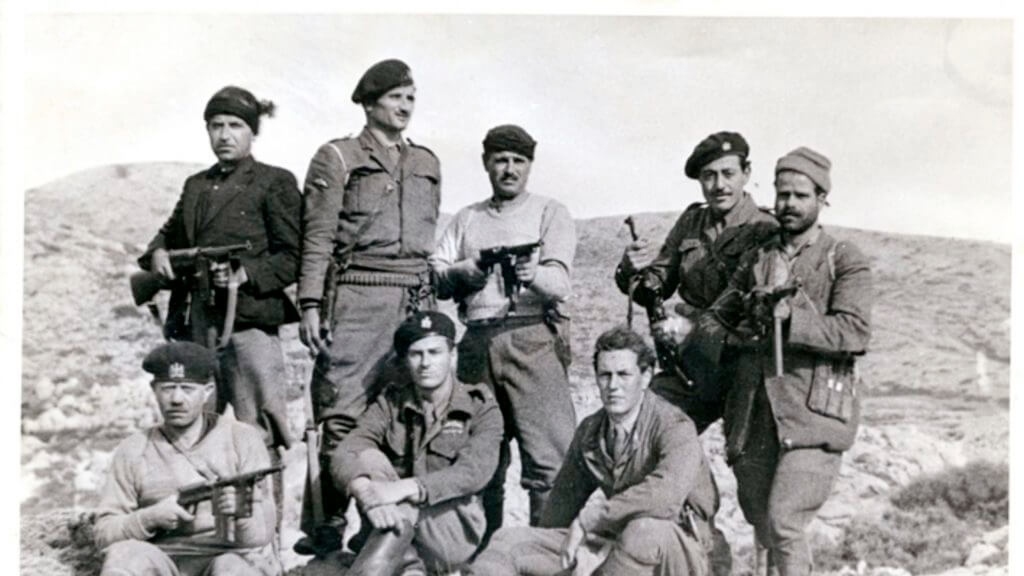
The highlight of his Resistance days was the abduction of the German military commander of Crete, General Heinrich Kreipe, in April 1944.4

Highlight of his Resistance days
Patrick Leigh Fermor and Billy Stanley Moss (bottom) with their Cretan brothers-in-arms. Standing (from left): Stratis Saviolakis, Manolis Paterakis, Antonis Papaleonidas, Giorgos Tyrakis, Nikos Komis; and seated (left): Grigoris Chnarakis. Photo: © The Estate of William Stanley Moss.

CHRISTMAS 1944

Joan
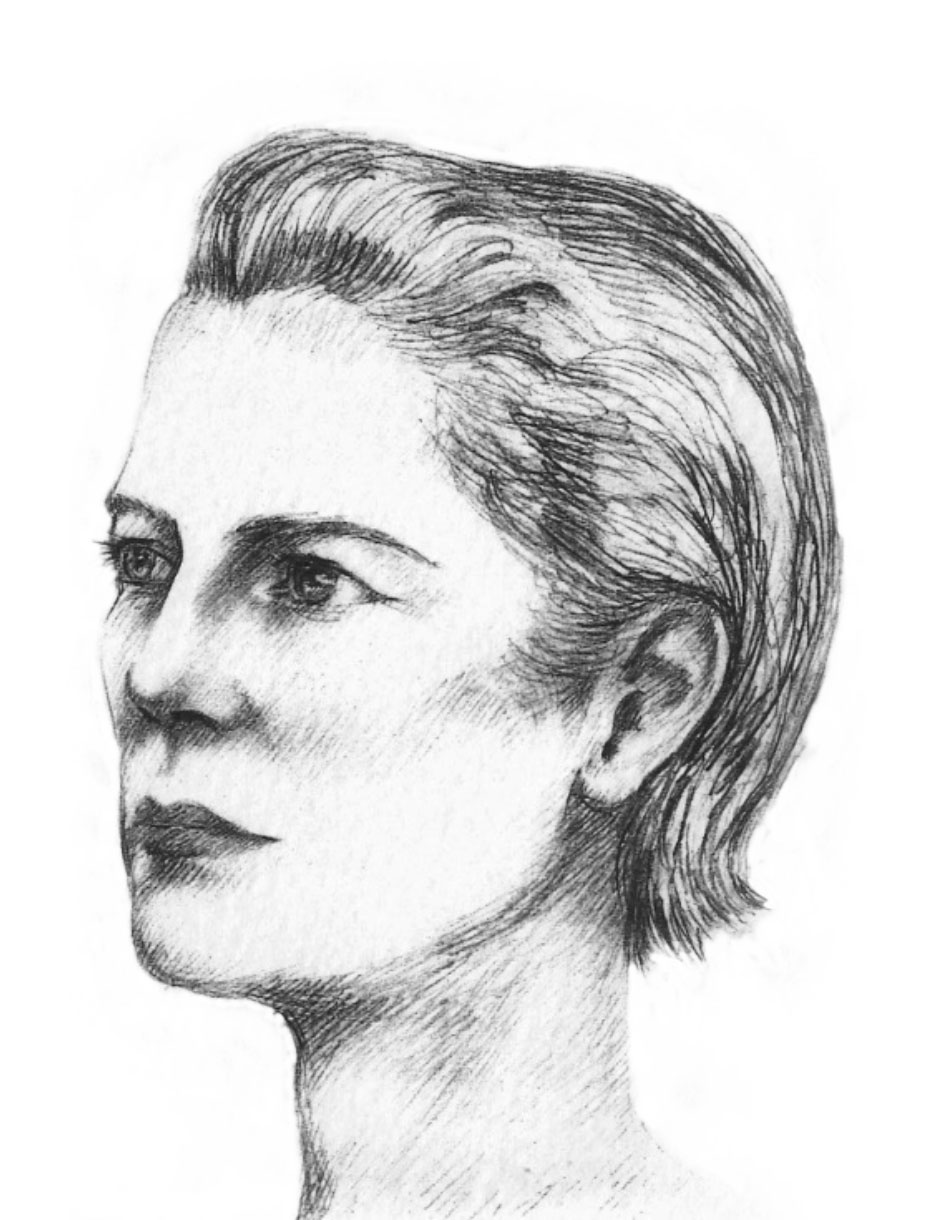
Portrait of Joan by Paddy, 1946.
HE MEETS JOAN, IN CAIRO.
A good thing turned up in the shape of Joan Rainer […] she’s got a good brain and talks about bull-fights and Spanish poets. I think you would like her.
His friend (and collaborator in the abduction of Kreipe), William Stanley Moss (Billy), had already written to him about Joan, whom he hadn’t yet met.5
JOAN LEIGH FERMOR
(1912 - 2003)
JOAN EYRES MONSELL WAS BORN IN DUMBLETON, ENGLAND, TO A NOBLE AND WEALTHY FAMILY.

In her school years, Joan fell in love with the art of photography, which she would pursue throughout her life.6

In 1939, she married John Rayner, features editor of the "Daily Express", whom she would divorce a few years later.

During World War II, she worked as a photographer recording Blitz damage on London buildings. Thanks to her knowledge in cryptography, she worked for the British Embassies in Madrid, Algiers, and Cairo where, in Christmas 1944, she met her future husband, Paddy—by then a war hero—with whom she would end up spending her life.

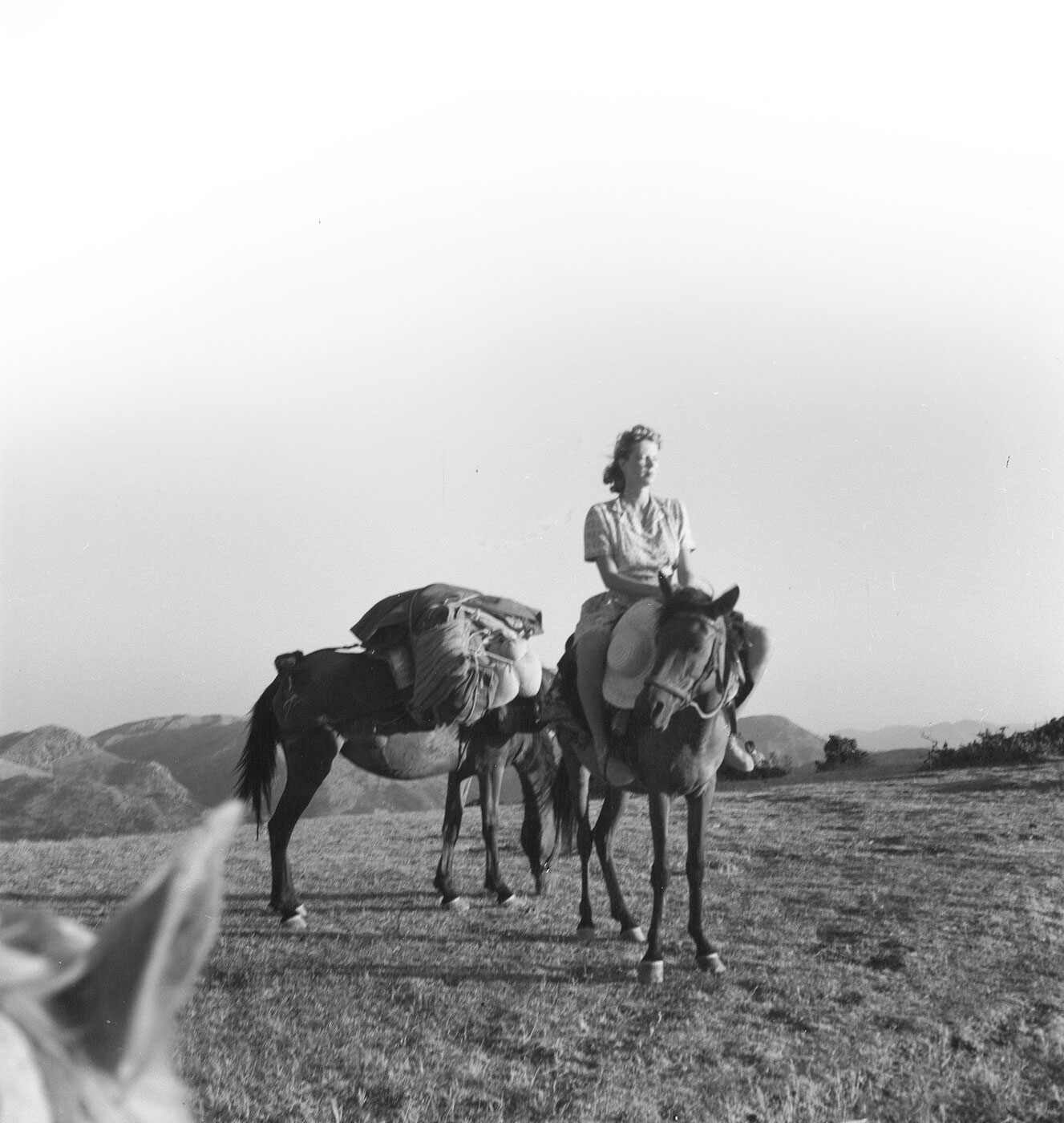
Joan on horse
PADDY AND JOAN’S SHARED LIFE
IN GREECE
AFTER THE WAR
1945 – 1946
Following a brief stint as Deputy Director of Advanced English Studies at the British Council in Athens, Leigh Fermor travels, mostly with Joan, across the Caribbean,7 Normandy,8 and Greece.
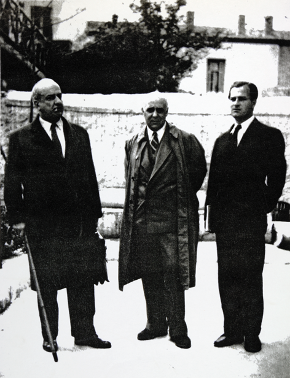
George Katsimbalis, George Seferis and Paddy in Athens, 1951
George Katsimbalis, George Seferis and Paddy in Athens, 1951. Collection of George G. Katsimbalis (G. Katsimbalis Photographic Archive).
In Greece, Paddy and Joan meet distinguished figures from the world of art and culture, with whom they will form lifelong bonds. The couple’s circle of new friends includes major figures, such as museum founder Antonis Benakis, the intellectual George Katsimbalis, painters Nikos Hadjikyriakos-Ghika and John Craxton,9 poet George Seferis,10 and politician Tzannis Tzannetakis.11
1950
He explores every inch of the country, from Thrace to Tainaro.
1951
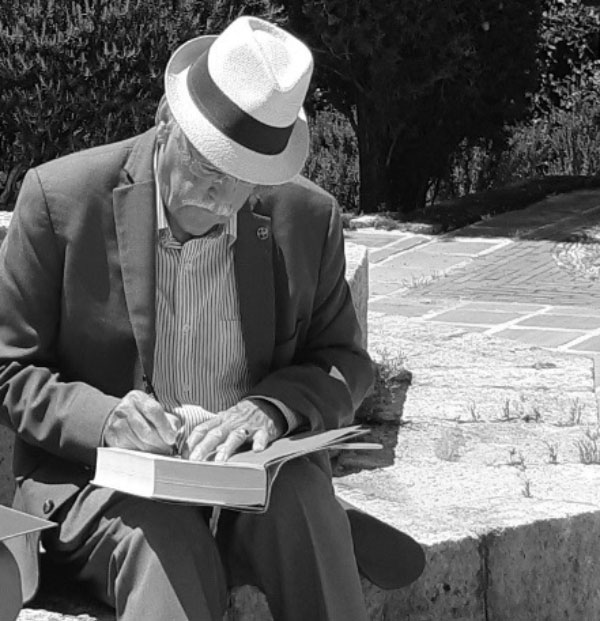
Until the end of his life, he never stopped traveling and recording his experiences, which he would publish in his books. Today, Patrick Leigh Fermor is considered one of the most important and influential figures in travel literature.
1954 – 1955

PADDY AND JOAN STAY AT THE HOUSE OF NIKOS HADJIKYRIAKOS-GHIKA ON HYDRA, WHERE PADDY WRITES THE MAJORITY OF MANI
George Katsimbalis, George Seferis and Paddy in Athens, 1951
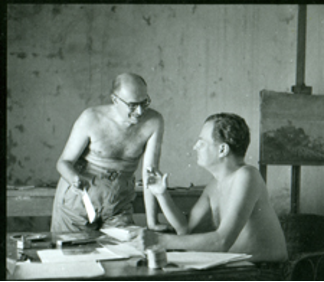
Niko Ghika and Paddy in Ghika’s studio, Hydra, 1955.
Photographer: Joan Leigh Fermor
Benaki Museum / Ghika Gallery, Photographic Archive
George Katsimbalis, George Seferis and Paddy in Athens, 1951
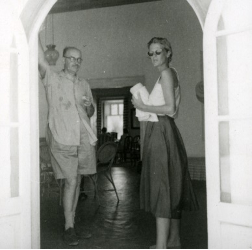
Niko Ghika with Joan, Hydra, 1955.
Benaki Museum / Ghika Gallery, Photographic Archive
Paddy wrote about the ancestral home of his friend, Nikos Hadjikyriakos-Ghika in Hydra, in 1961:
"The house seems to hang in there. Air and light and reflected radiance and whatever cool breezes visit the island stream through the rooms unhindered. The whole house casts a singular and benevolent spell."12
George Katsimbalis, George Seferis and Paddy in Athens, 1951
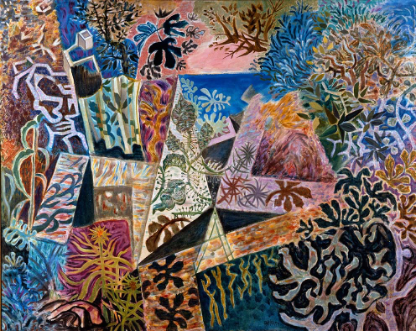
Nikos Hadjikyriakos-Ghika, "Wild Garden", 1959. Oil on canvas, 113 x 144 cm.
Benaki Museum / Ghika Gallery, inv. no. ΠΧΓ57.
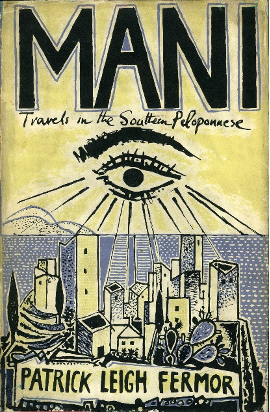
His book "Mani: Travels in the Southern Peloponnese" is published in London by John Murray Publishing House.
1958
Travels in the Southern Peloponnese (1958)
The cover of the first edition of Mani: Travels in the Southern Peloponnese (1958), painted by John Craxton.
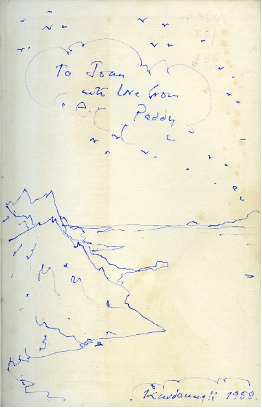
Dedication by Paddy to Joan in his book Mani
Dedication by Paddy to Joan in his book Mani, Kardamyli 1958.
Benaki Museum / Donated by Patrick and Joan Leigh Fermor.
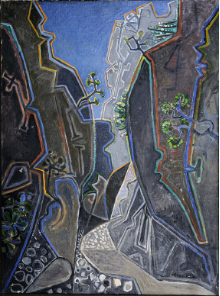
John Craxton, Gorge, 1960
John Craxton, Gorge, 1960. Oil on canvas, 104.5 x 83.7 cm Private collection, ITALY.
In 1966, Lee Fermor’s book "Roumeli: Travels in Northern Greece" was published in London, again by the publishing house John Murray. In this second book of his on Greece, he includes impressions from his journey through the Greek mainland.

CHAPTER 2

THE HOUSE IN KARDAMYLI
1962 - 1967
Paddy and Joan buy a piece of land by the sea in the Kalamitsi area, just outside Kardamyli in Mani, to build the house that will serve as their future home, Paddy’s writing workshop, and a welcoming space where they could receive their friends.

For the design of the house, they turn to their friend, architect Nikos Hadjimichalis.

We found a piece of land by the sea, became koumbaroi of a master-mason called Niko Kolokotronis, the last of a long line of master-masons originally from Arcadia, who had all played the violin; and we gathered a small team of stone-cutters and builders and settled in tents: reading Vitruvius and Palladio, learning what we could from the Mani buildings, and planning the house as it went up with our architect friend Niko Hadjimichali whenever he could get away from Athens. We were given the raw material free – all of it peach or russet-coloured limestone which we hacked and blasted out of the side of the Taygetus.13
1964
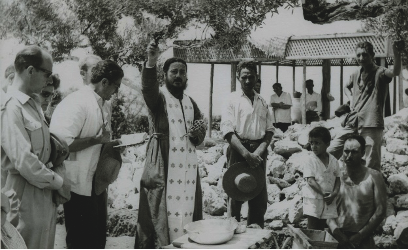
Blessing ceremony in Kardamyli during the construction of their house, 1964.
Benaki Museum / Donated by Olivia Stewart
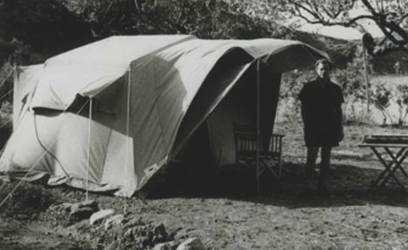
In order to monitor the construction work, which lasted from 1965 to 1967, Paddy and Joan lived in a tent next to the site for a while.
Paddy in front of the tent where he lived with Joan during the construction of their house, 1964.
Photograph: Joan Leigh Fermor Benaki Museum / Donated by Olivia Stewart
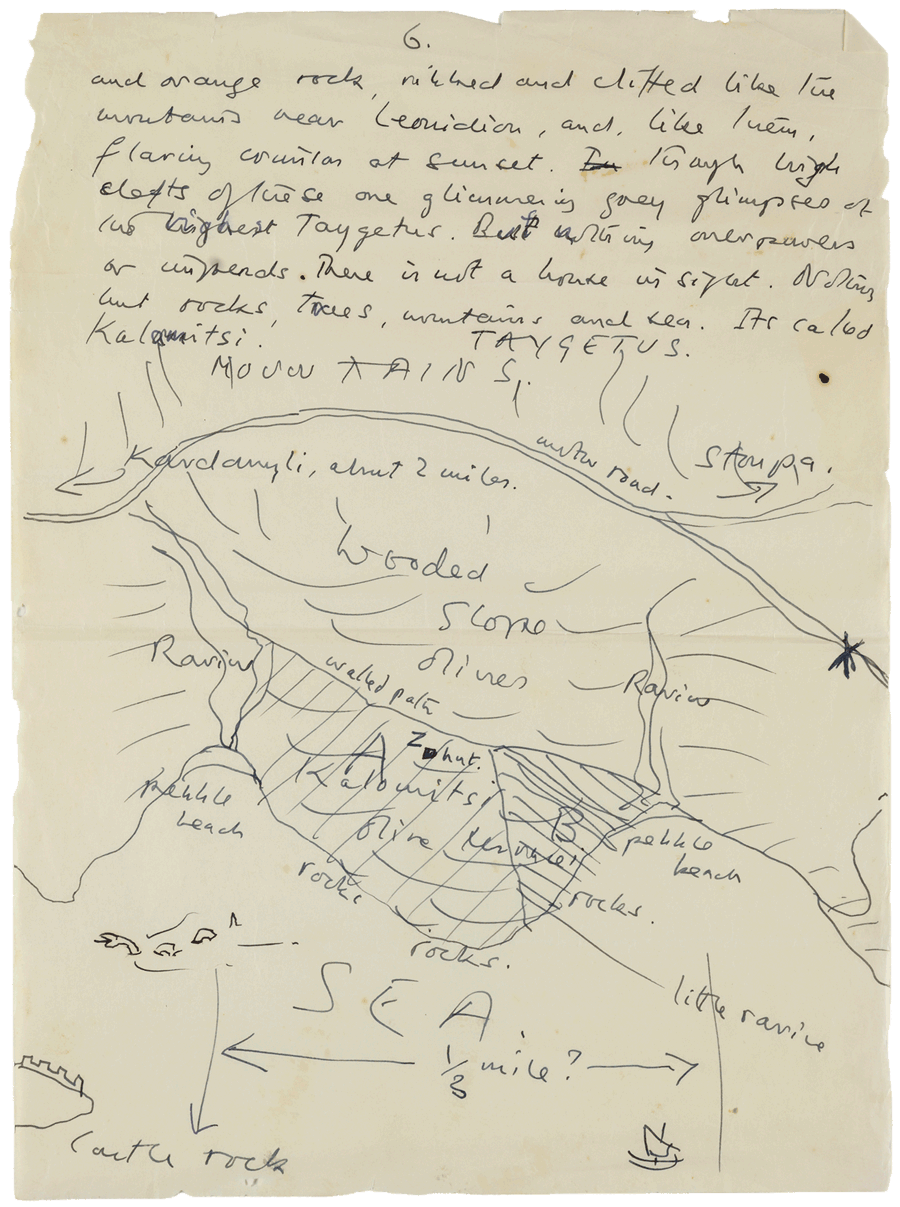
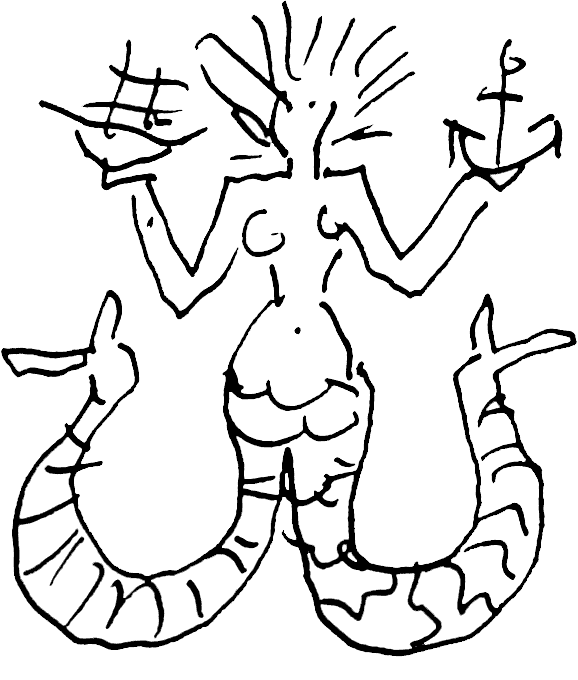
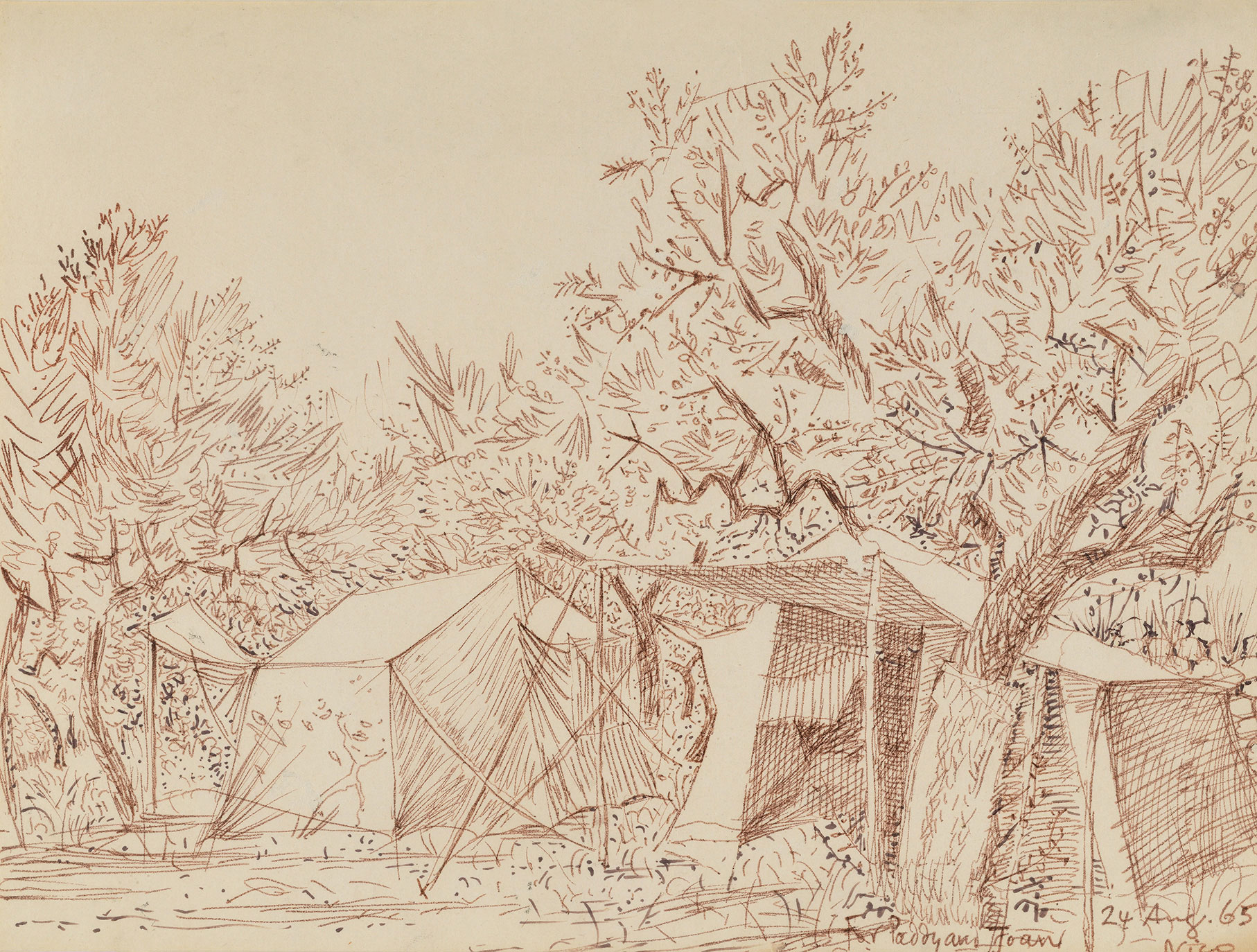
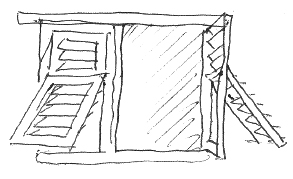
Ghikas Drawing
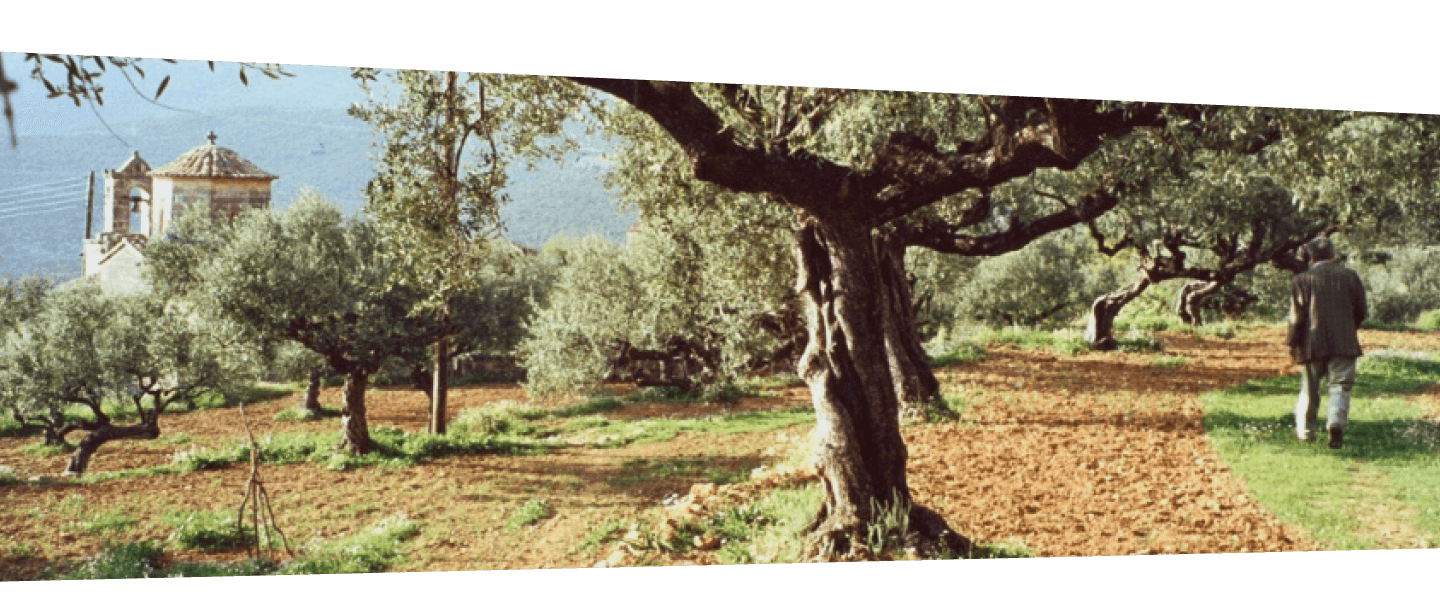
Our headland jutted between a bay and a small cove and there was nothing on it but olive terraces, thistles, asphodels and an occasional tortoise, and here we pitched our tents exactly where the chief room was to be. There was rock for building everywhere; the friendly and excellent workmen were stonecutters to a man.14
Construction
of the
House
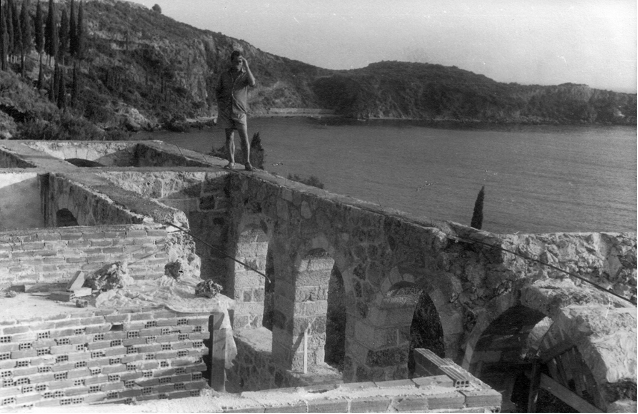
Paddy on the roof of the Leigh Fermor House during its construction
Photograph: Joan Leigh Fermor
From the Olivia Stewart archive
© Joan Leigh Fermor Estate
The Leigh Fermor House during its construction
Photograph: Joan Leigh Fermor
From the Olivia Stewart archive
© Joan Leigh Fermor Estate
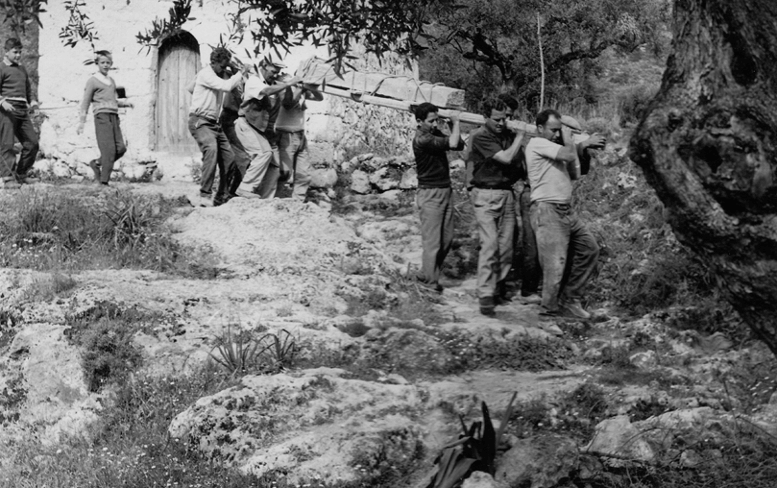
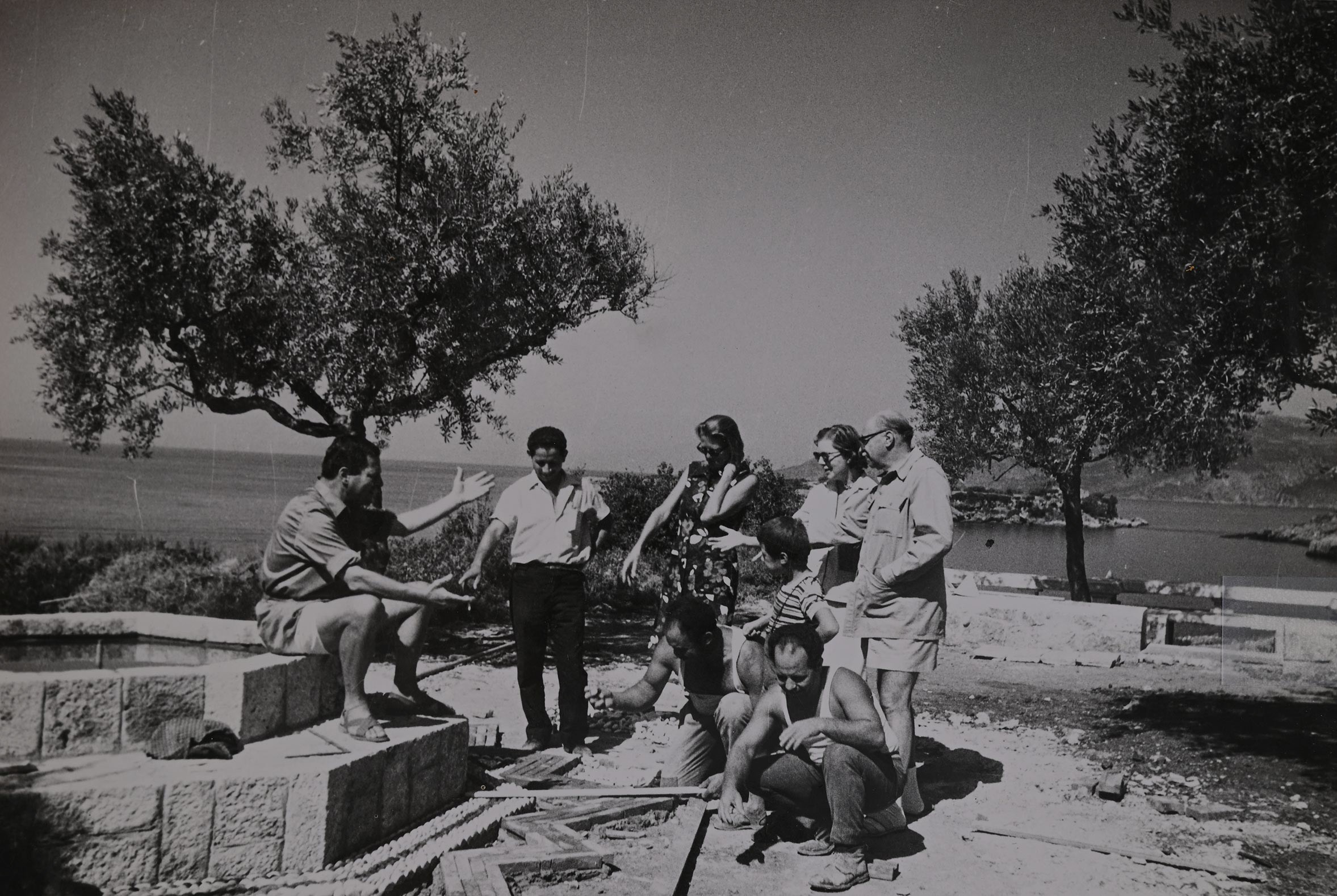
Paddy with the workmen during the construction of the House
Photograph: Joan Leigh Fermor
From the Olivia Stewart archive
© Joan Leigh Fermor Estate

The house’s final form is inspired by Paddy’s journeys. A characteristic example is the prominent arcade where all the rooms of the ground floor connect—a callback to Leigh Fermor’s stays at monasteries in France and Μount Athos.

Leigh Fermor works with local craftsmen while gathering materials and spolia from the surrounding area around to embed in the stonework.

Regarding the craftsmen who assisted in the building, Patrick has nothing but praise for them:
«The masons and workmen are marvellous chaps, terribly excited about what they are up to, and enormous fun; all from the nearby hill villages.».15

“The stone, chopped out of the mountainside a quarter a mile away, and brought here by mule, as there’s only a goat path, is such a lovely colour, that it can’t be ugly. We’ve managed to find a lot of old and faded tiles, discoloured russet; so with luck, the whole thing will melt into the surroundings and almost disappear.”16

The pebbles used for the mosaics around the house were collected from three different beaches around the area, according to their color, while the tiles in the courtyard were made at the Anagnostaras tile factory in Kalamata.
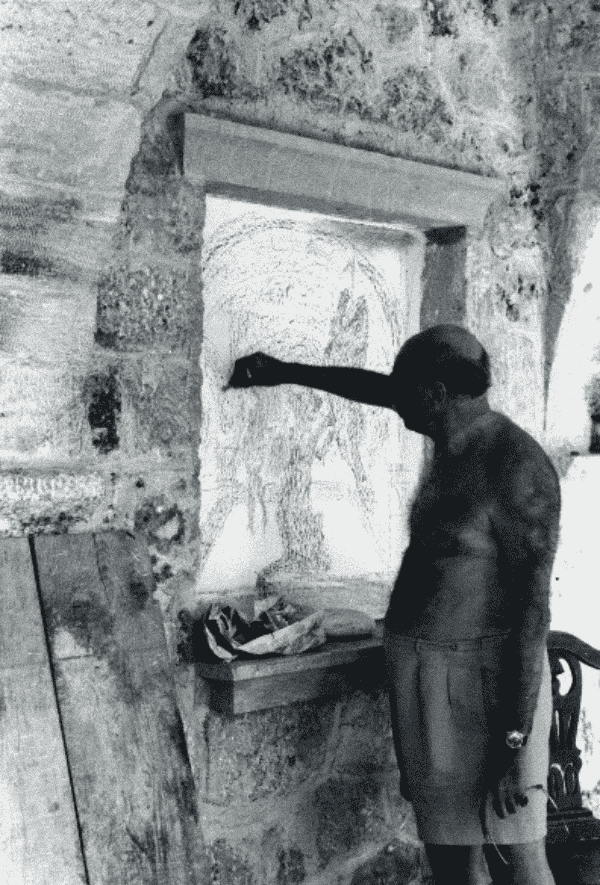
Nikos Hadjikyriakos Ghika, a close friend of the couple, made a significant contribution to the decoration of the house. He helped design the mosaics surrounding the house, painted a niche and a lion-shaped relief on the wall in the arcade of the house.17
Niko Ghika drawing in the niche at the Leigh Fermor house, 1970.
Benaki Museum / Ghika Gallery, Photographic Archive
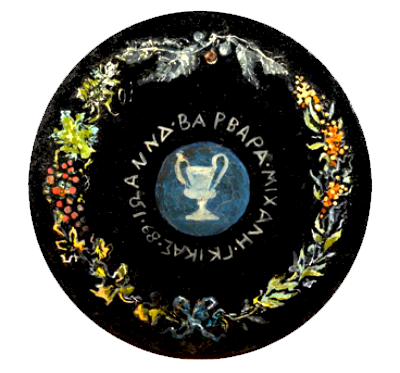
"At the house in Kardamyli, Ghika also paints a coffee table and writes the following four names around its center: MICHALIS, VARVARA, IOANNA, GHIKA. (Michalis: Paddy’s Greek name. Varvara: Barbara Ghika, and Ioanna: Joan)".
At the age of fifty, this is the first house that Patrich Leigh Fermor owns, and where he will spend the rest of his life with Joan.

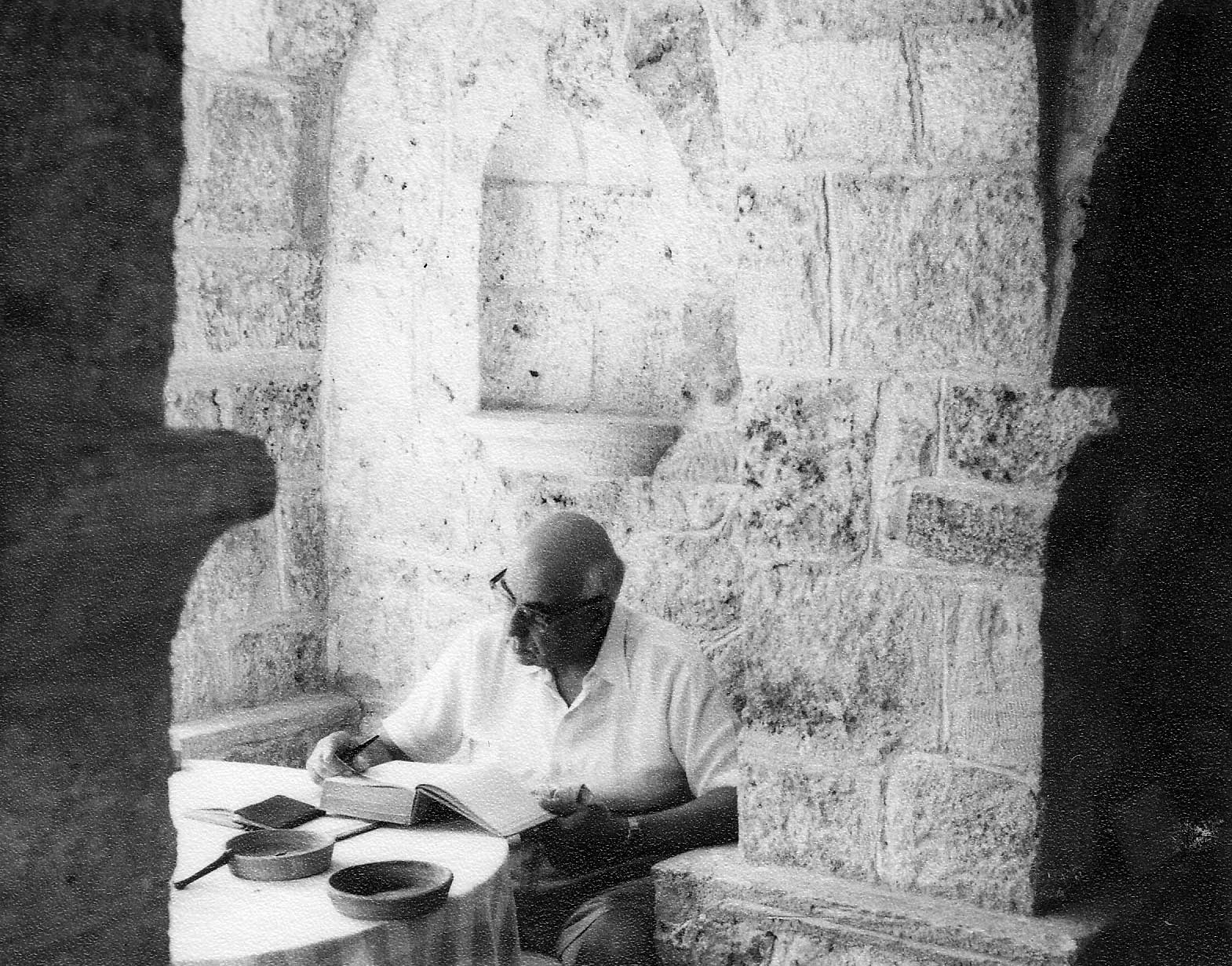
Where a man’s Eleventh Edition of the Encyclopaedia Britannica is, there shall his heart be also’; and, of course, Lemprière, Fowler, Brewer, Liddell and Scott, Dr Smith, Harrap and Larousse and a battery of atlases, bibles, concordances, Loeb classics, Pléiade editions, Oxford Companions and Cambridge histories; anthologies and books on painting, sculpture, architecture, birds, beasts, reptiles, fishes and trees; for if one is settling in the wilds, a dozen reference shelves is the minimum, and they must be near the dinner table where arguments spring up which have to be settled then or never.

This being so, two roles for the chief room in a still unbuilt house were clear from the start. σ

[…] and every seventh of November, which is the Feast of SS. Michael and Gabriel – and also my name-day (Miháli, in Greek) – the room fills a special role. These Archangels have a minute chapel three fields away, and after the yearly Mass, a swarm of village friends, sometimes fifty or sixty, led by the bearded vicar with his bun and stove-pipe hat, come in for a long chat and drinks and mézé. Thanks to the divans – suddenly lined with venerable figures in black coifs – the room can hold them all without too much of a squash, and in spite of the immovable table there is plenty of space left in the middle for dancing; and when, later on, the complicated steps of the syrtos and the kalamatiano, accompanied by clapping and singing, begin to weave their nimble circles round the central star, the room seems to have come into its own at last”.18

The house and the writer


When Paddy moves to Kardamyli, he has already published "The Traveller’s Tree: A Journey through the Caribbean Islands (1950)", "The Violins of Saint-Jacques (1953)", "A Time to Keep Silence (1953)", as well as his two Greek-themed books, "Mani: Travels in the Southern Peloponnese (1958)" and "Roumeli: Travels in Northern Greece (1966)".19
In Kardamyli, Paddy revisits his journey in Europe, which was completed forty or fifty years before, and writes A Time of Gifts (1977) and Between the Woods and the Water with only his exceptional experiential memory to refer to, as his diaries and notebooks had been lost. In A Time of Gifts, he describes his journey from Holland to Czechoslovakia, while in Between the Woods and the Water, he writes about his journey to the borders of Romania and Bulgaria.
"while piecing together fragments which have lain undisturbed for two decades and more, all at once a detail will surface which acts as potently as the taste of madeleine which made the whole of Proust’s childhood unfurl. The haul of irrelevant detail, interlocking trains of thought and associations, and the echoes of echoes re-echoed and ricocheted is overwhelming, and in the hopes of attaining some redeeming shadow of symmetry ad balance, a lot of this irrelevant catch must be thrown away again to swim back to the dark pools where it has been lurking all this time. This, for a writer who is his own worst subeditor, is a harrowing task.”20
Patrick Leigh Fermor continues to travel: In the late 1960s and 1970s, he explores the Far East, Peru, the Andes, 21 and the Himalayas.

In October 1984, Paddy, aged 69, swims across the Hellespont (from Asian Abydos to European Sestos). His inspiration for this daring feat was Lord Byron, who had swum the same route in reverse in 1810.
Paddy at the village of Petrovouni, above Kardamyli
Photograph: Olivia Stewart
2003
Joan dies at the house in Kardamyli on June 4, 2003.
Joan’s tombstone in Dumbleton cemetery was engraved with an olive branch and the Greek phrase “May the earth rest lightly on her,” combining the two elements that accompanied her throughout her life: the Greek language and the natural setting of Mani.
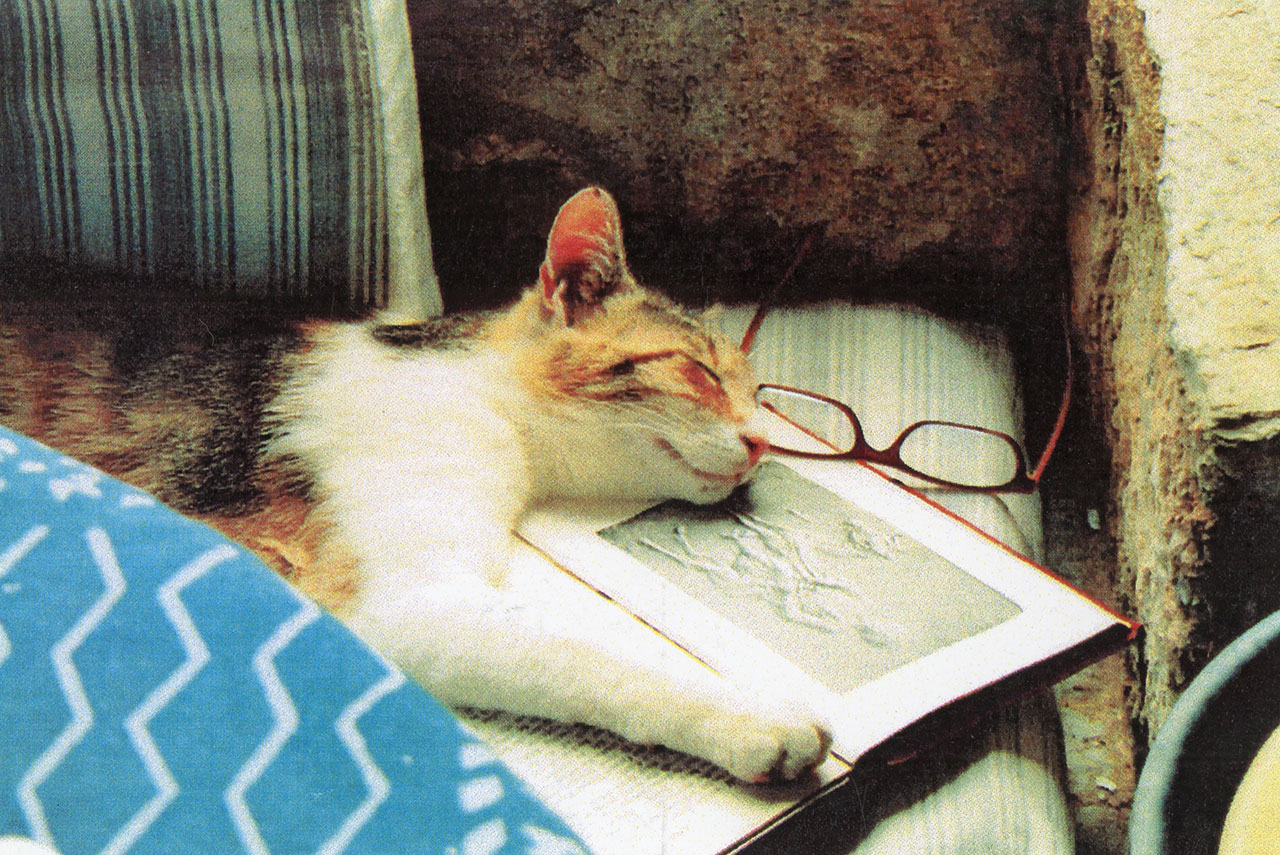
Νο Μill House over Christmas time, alas, where I would be gallivanting in the North, because no Joan! It seems incredible, and hard to get used to. Oddly enough, it’s over jokes that the absence is brought home most: during the … slogging away in the morning, something crops up and I say to myself “I must remember to tell Joan that at lunch. It will make her laugh.” All sorts of things like that. All the freesias she planted last year are shooting up through the grass, a marvellous display. She would have been pleased… I’ve a tumblerful on my desk. They smell lovely… The cats miss her terribly, so do I…22
2004
He is knighted by H.M. Queen Elizabeth II.
The last part of his journey to Constantinople and his tour of Mount Athos were recorded in a forgotten manuscript, which Patrick Leigh Fermor had begun in 1963-64. After 2008, this manuscript was typed—in large print to make it easier for the elderly author to read—by his devoted friend Olivia Stewart, and Patrick Leigh Fermor, now over ninety, reworked it with the help of a magnifying glass. Finally, the book was published in 2013, after his death, under the title The Broken Road: From the Iron Gates to Mount Athos, edited by Colin Thubron and Artemis Cooper.23
2011
On June 11, 2011, at the age of 96, Paddy passes away at Joan’s ancestral home in Dumbleton.
In a short biography of Proust which was found in his room in Kardamyli, he had written a message in the middle of the night, at a moment when he felt the end was close...
Love to all and kindness to all friends, and thank you all for a life of great happiness. 24

Visitors' Book

At the House in Kardamyli, Paddy and Joan kept a Visitors’ Book, where all guests would write their impressions or make a sketch or simply sign and note the dates of their stay.25

The first guest to sign the book was the architect of the House, Nikos Hadjimichalis (1967) and among the last names that appear at the book in 2011 was that of the former director of the Benaki Museum, Angelos Delivorrias, marking, in a way, the start of the next phase of the house’s future.

Over a period of 44 years, famous personalities from the world of arts and letters as well as friends and relatives of the Leigh Fermors stayed at the House. Nikos Hadjikyriakos Ghika and his wife Barbara, George Seferis, John Craxton, Tzannis Tzannetakis, Freya Stark, Steven Runciman, Lord Jellicoe and his family, John Betjeman, Bruce Chatwin, and many others.

Beyond the libraries, books are “scattered everywhere” in the house in Kardamyli and “come from different eras and regions.” Among them, the publications dedicated to Paddy and Joan by their author friends hold a special place.


Giorgos Seferis at the house in Kardamyli. Photograph: Joan Leigh Fermor. From the Olivia Stewart archive ©Joan Leigh Fermor Estate
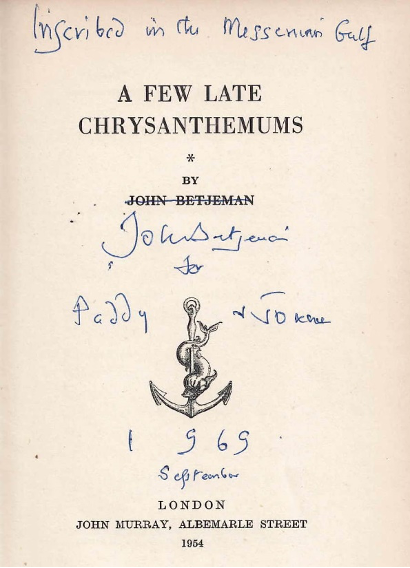
John Betjeman, "A Few Late Chrysanthemums" (London: John Murray 1954). Copy from the house in Kardamyli with a handwritten inscription of the writer.
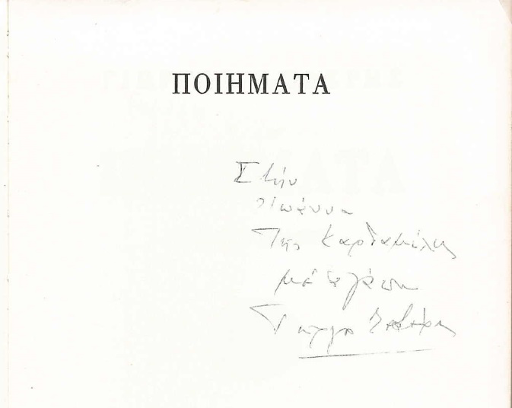
Giorgos Seferis, "Poems" (Athens: Ikaros 1964). Copy from the house in Kardamyli with a handwritten inscription.
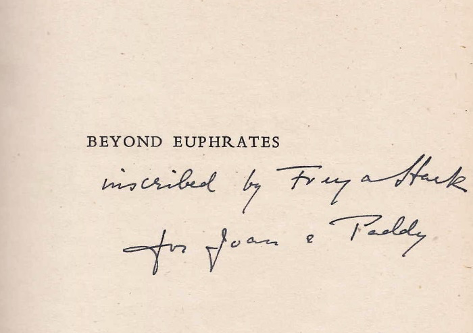
Freya Stark, Beyond Euphrates. Autobiography 1928-1933 (London: John Murray 1951). Copy from the house in Kardamyli with a handwritten inscription.

CHAPTER 3

THE LEIGH FERMORS’ DONATION TO THE BENAKI MUSEUM
The relationship between Paddy and the Benaki Museum’s founder, Antonis Benakis, goes back to the mid-1940s.
Antonis Benakis, Chief Scout of Greece.
«When I was back in Athens, Mr Anthony Benakis most kindly allowed me to write in a quiet room of his marvellous museum after closing time."26
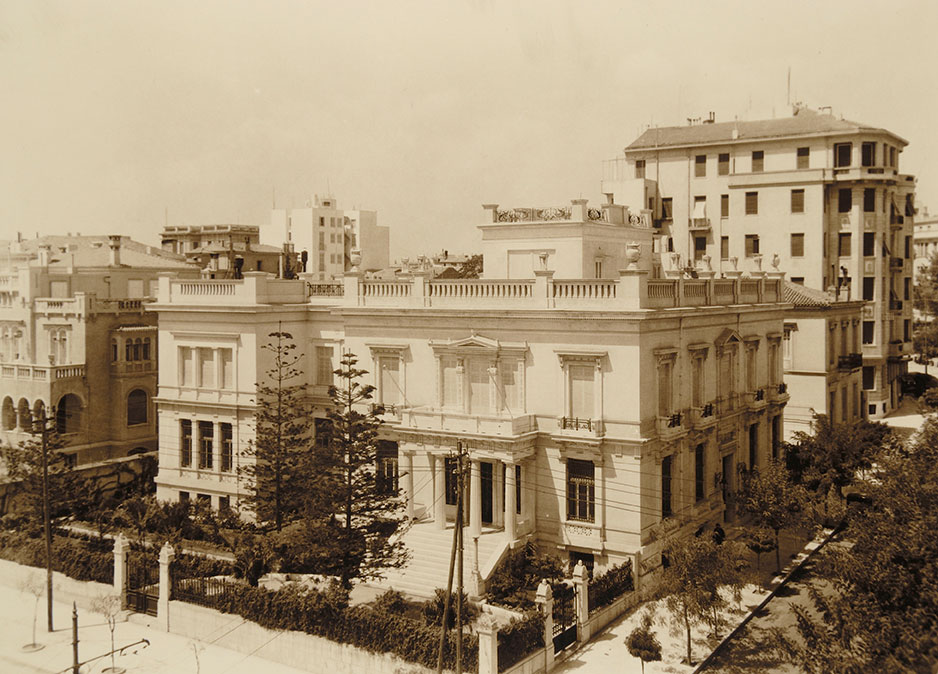
The Benaki Museum in the 1930s.
Benaki Museum / Photographic Archive
In 1996, Paddy and Joan decide to donate their home to the Benaki Museum and sign the donation contract with the then President of the Museum and Paddy’s friend Irini Kalliga. According to the terms of the donation contract, the Museum will acquire the ownership of the house following Paddy’s and Joan’s deaths.
Joan and I have decided to give this place to a wonderful institution called the Benaki Museum, who long for it, one lives in it for as long as one of us, still surviving, is still on the scene, then they take it over and look after it forever. They are terribly nice—well they must be, to hanker for such an odd place.27
Their close friends Tzannis Tzannetakis and Nikos Hadjikyriakos Ghika played an important role in the Leigh Fermors’ decision to donate their home to the Benaki Museum. Ghika had already entrusted the museum with his residence and workshop on Kriezotou Street in 1991.

In accordance with the expressed desire of the Leigh Fermors that their home be used to further its aims, the Benaki Museum immediately began drafting plans for the necessary repairs in 2011, following the death of Patrick Leigh Fermor. At the same time, it proceeded with the planning of the future operation of the House, having already secured the cooperation of major international academic institutions.

The studies were designed with a main focus on preserving the architectural aesthetics of the property, as well as modernizing it so that it could function as a hub for artists and intellectuals and, at the same time, as a venue for cultural and educational activities, open to the general public.

As the Lead Donor, the Stavro Niarchos Foundation (SNF) played a crucial role in the preservation of the Patrick Leigh Fermor House. In 2016, based on the Benaki Museum’s detailed study of the necessary repairs to the buildings and the future use of the House, the Foundation supported an in-depth study on the house’s operation and sustainability, then assumed full responsibility for the cost of the extensive maintenance and repair work.
A NEW CHAPTER BEGINS FOR THE HOUSE IN KARDAMYLI WITH THE SUPPORT OF THE STAVROS NIARCHOS FOUNDATION (SNF)
The Patrick and Joan Leigh Fermor House always stood as a beacon of cultural and intellectual exchange. Thanks to the support of the Stavros Niarchos Foundation (SNF), this historic estate has been restored to its former glory, ensuring its role as a center for learning, creativity, and collaboration.
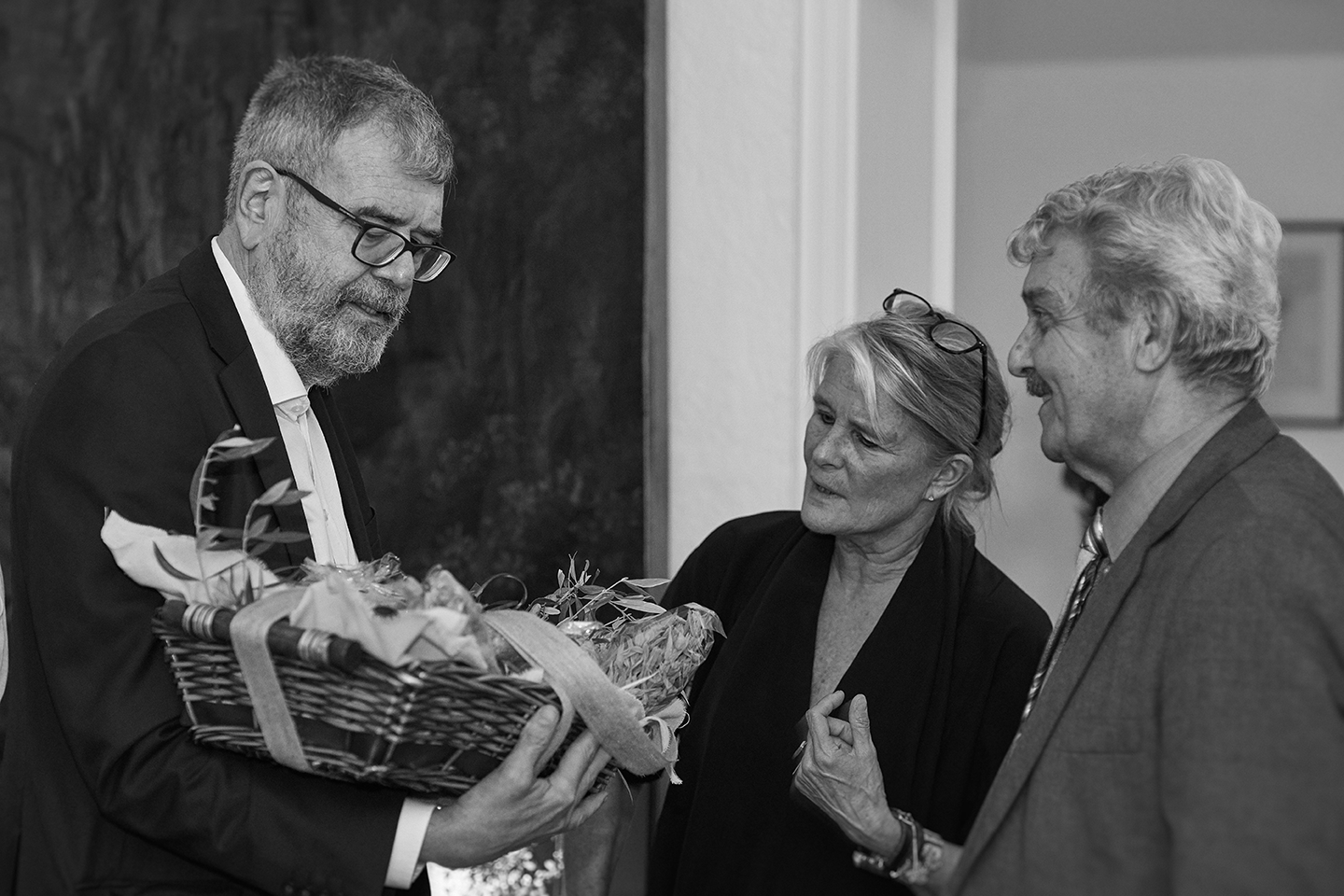
George Agouridis, a member of the SNF Board of Directors and its Senior Legal Advisor; Irini Geroulanou, Chairman of the Board of Trustees of the Benaki Museum; and Dimitris Giannimaris, former Mayor of West Mani, 2019.
Photograph: aRchive

By early 2019, restoration was complete, and the house reopened to the public for guided tours and visits.
THE HOUSE, TODAY
A Hub for Creativity
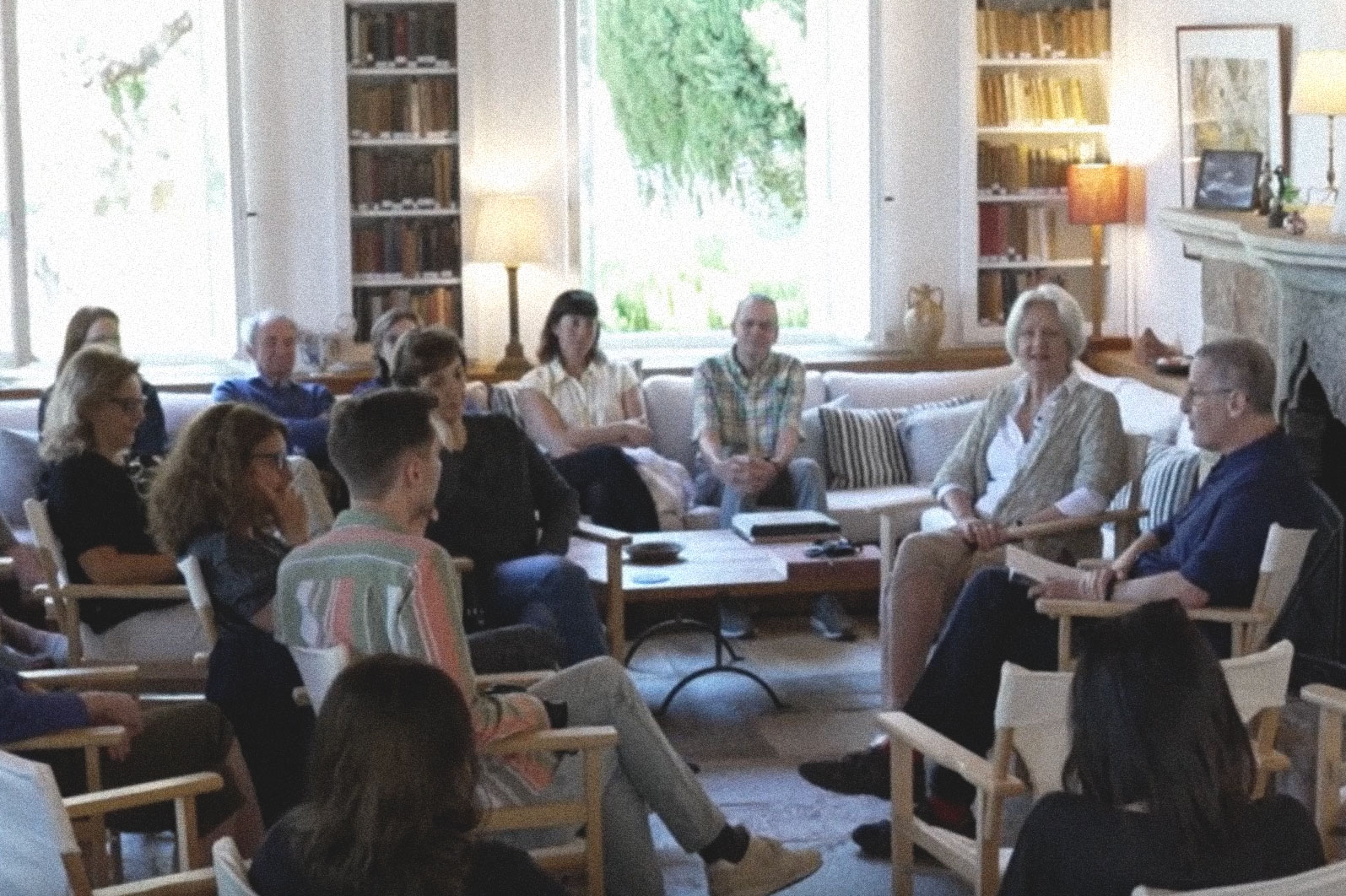
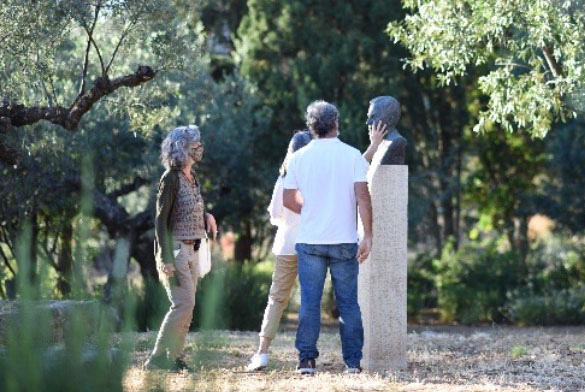
As in the past, the House continues to host scholars, artists, and writers, while also welcoming those who wish to visit the home of an internationally renowned author. In collaboration with three universities, Freie Universität Berlin (Centrum Modernes Griechenland), Princeton University (Stanley J. Seeger ’52 Center for Hellenic Studies) and the University of California Los Angeles (Stavros Niarchos Foundation Center for the Study of Hellenic Culture), as well as other educational institutions, cultural and educational activities are organized, including a fellowship program, seminars and meetings, and honorary residencies for prominent figures and major donors to the Benaki Museum.
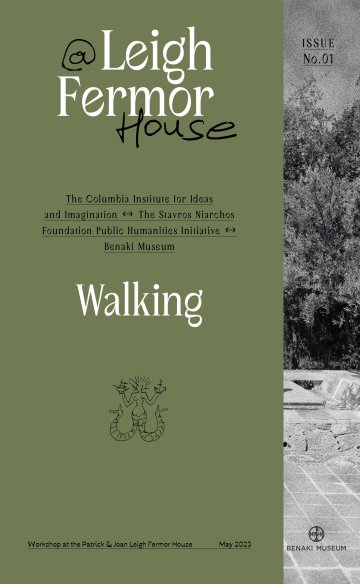
The first issue of the @Leigh Fermor House series, focuses on the theme of “Walking,” which was the subject of a workshop organized by Columbia University’s Institute for Ideas and Imagination and its Stavros Niarchos Foundation Public Humanities Initiative, as well as the Benaki Museum.
A discussion between Lee Fermor’s biographer, author Artemis Cooper, and Institute for Ideas and Imagination SNF Director Mark Mazower, entitled “The Man and the House.”
Sir Roderick Beaton as an honorary fellow at the Leigh Fermor House.
An educational program for visually impaired people from the Benaki Museum’s Education Department.
Sustaining the Legacy
In the donation contract, the Leigh Fermors proposed that, in order for the House’s operating program to be sustainable, the property should be rented out for certain periods throughout the year, a practice that has been in place since 2020.
Today, thanks to the generosity of SNF and the initiative and methodical approach of the Benaki Museum, the Patrick & Joan Leigh Fermor House continues to flourish as a space where culture, history, and creativity converge. This new museum unit, unique in Greece, revives the home of two great personalities of the 20th century while at the same time looking to the future, promoting research and fostering new ideas.
For more information on upcoming fellowship programs and events, visit the Benaki Museum’s official page.